Planning your Wedding Processional Order is one of the most important parts of creating a beautiful and well-organized ceremony. It determines who enters first, how your loved ones are seated, and when the Bride makes her unforgettable entrance. Whether you’re planning a traditional church wedding or a personalized celebration, understanding the right sequence helps everything run smoothly.
This complete guide explains the Wedding ceremony processional order, explores every Wedding processional style, shares a practical Wedding processional template, and walks you through the ideal Wedding ceremony timeline. By the end, you’ll feel confident choosing a ceremony entrance that reflects your love story and creates lasting memories for every guest.
What Is a Wedding Ceremony Processional?
A Wedding ceremony processional order is the sequence in which the Wedding officiant, family members, Wedding party, and the Bride or couple enter the ceremony. It marks the official beginning of the wedding and creates an emotional moment for everyone present. Whether your ceremony is formal or relaxed, a well-planned Wedding processional keeps the event organized and stress-free.
Every wedding has its own style. Some couples follow tradition while others create a unique Wedding entrance order that reflects their personalities. The processional should match your venue, cultural traditions, and family preferences. Planning it early also makes the rehearsal much easier.
What Is the Difference Between a Wedding Processional and a Recessional?
The Wedding processional happens at the beginning of the ceremony. Guests watch as the Wedding officiant, Groom, Best Man, Groomsmen, Bridesmaids, Flower Girl, Ring Bearer, and finally the Bride walk down the aisle. The Wedding recessional order, however, takes place after the couple is officially married. Everyone exits the ceremony in celebration, usually led by the newlyweds.
Why the Wedding Processional Order Matters
A thoughtful Wedding ceremony order creates a smooth experience for everyone involved. It prevents confusion, helps photographers capture perfect moments, and allows musicians to coordinate each entrance. More importantly, it tells the story of your relationship from the very first step Walking down the aisle until the ceremony begins.
| Processional | Recessional |
| Begins the ceremony | Ends the ceremony |
| Guests remain seated | Guests celebrate and exit |
| Family and wedding party enter | Newlyweds lead everyone out |
| Formal and emotional | Joyful and celebratory |
Who Walks Down the Aisle? Traditional Wedding Processional Order
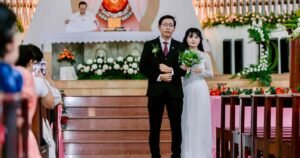
The Traditional wedding processional follows a timeless sequence that has been used for generations. While every couple can personalize their ceremony, this order creates a graceful flow and ensures every important person has their moment. A clear Wedding Processional Order also helps guests understand who is entering next and keeps the ceremony running without confusion.
The exact order may change depending on your religion, culture, or family traditions. However, most American weddings include the same key participants. Planning this order during your Wedding ceremony timeline allows everyone to feel confident during the rehearsal and on the wedding day.
Traditional Wedding Processional Order Step by Step
Most ceremonies begin with the Wedding officiant, followed by the Groom and Best Man. Next come the grandparents and parents before the Groomsmen escort the Bridesmaids down the aisle. The Maid of Honor enters just before the Flower Girl and Ring Bearer, creating anticipation for the final entrance of the Bride.
The Roles of Parents, Grandparents, Bridesmaids, Groomsmen, Flower Girl, and Ring Bearer
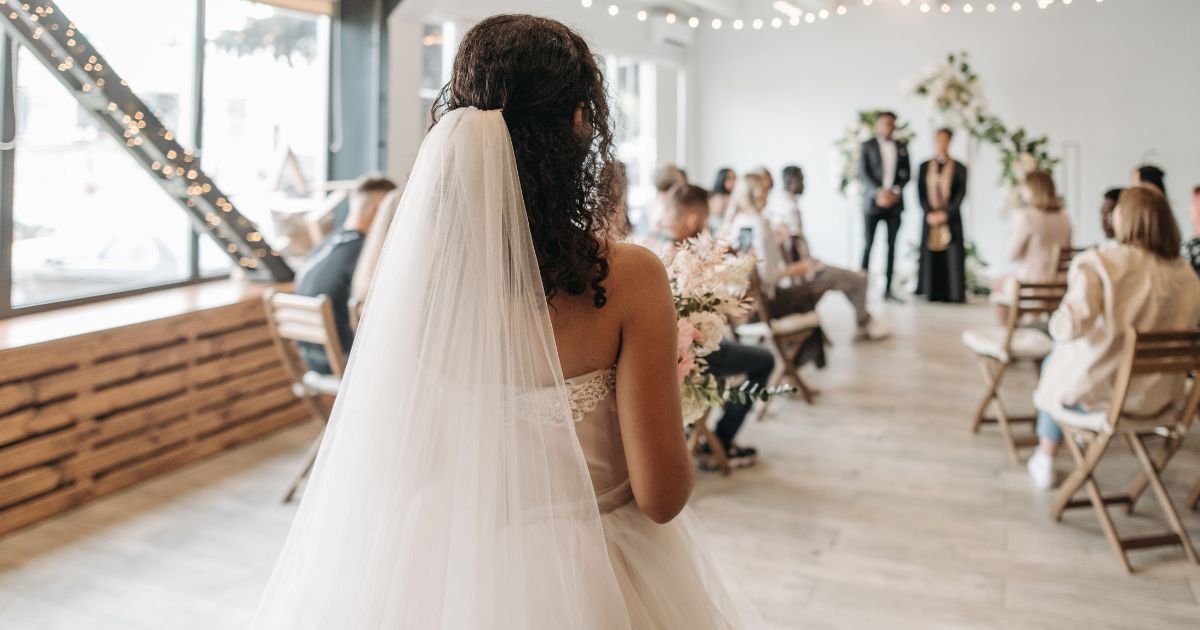
Every participant has a meaningful role in the ceremony. Grandparents are often seated first as a sign of respect. Parents follow and take their reserved seats. The Wedding party enters next to support the couple. Finally, the Bride walks down the aisle, often with a parent or loved one, making it the most emotional moment of the ceremony.
| Traditional Wedding Processional Order | Purpose |
| Wedding officiant | Begins the ceremony |
| Groom and Best Man | Wait at the altar |
| Grandparents | Honored guests |
| Parents of the couple | Seated before the ceremony |
| Groomsmen | Escort the wedding party |
| Bridesmaids | Walk toward the altar |
| Maid of Honor | Last attendant to enter |
| Flower Girl and Ring Bearer | Lead the bride’s entrance |
| Bride | Makes the grand entrance |
Wedding Processional Order by Ceremony Type
Every wedding tradition has its own customs. While the Wedding Processional Order follows a similar pattern, religious and cultural ceremonies may include unique entrances, family members, or rituals. Understanding these traditions helps you choose a ceremony that respects your beliefs while reflecting your personal style.
Today’s couples often blend traditions to create a meaningful celebration. Whether you prefer a classic ceremony or a personalized Modern wedding processional, knowing the differences allows you to build a ceremony that feels authentic and memorable.
Christian Wedding Processional Order
A Christian ceremony usually begins with the Wedding officiant, followed by the Groom, grandparents, parents, the Wedding party, the Flower Girl, the Ring Bearer, and finally the Bride. This order emphasizes family, faith, and the sacred beginning of the marriage ceremony.
Catholic Wedding Processional Order
Catholic weddings often follow a more formal structure. The priest leads the ceremony, while the Groom may enter with the Best Man before family members arrive. The Bride traditionally walks with her father, creating one of the most cherished moments of the day.
Jewish Wedding Processional Order
Jewish ceremonies commonly honor both families equally. The Groom is often escorted by both parents, while the Bride also enters with both parents. This tradition symbolizes unity, family support, and the joining of two households beneath the chuppah.
Hindu Wedding Processional Order
A Hindu wedding begins with the Baraat, where the Groom arrives with family and friends in a joyful celebration. The Bride enters later with close relatives before traditional rituals begin. Music, dancing, and colorful customs make this one of the most vibrant wedding entrances.
Nondenominational Wedding Processional Order
Nondenominational ceremonies offer complete flexibility. Couples can choose a Wedding entrance order that reflects their personalities while keeping the ceremony simple and meaningful. Many include grandparents, parents, attendants, and the Bride in an order that feels natural.
LGBTQ+ Wedding Processional Order
LGBTQ+ couples often create a personalized Wedding ceremony order that celebrates equality. Partners may walk down the aisle together, enter separately, or be escorted by loved ones. There is no single rule. The focus is on creating a ceremony that reflects love, inclusion, and shared values.
Modern Wedding Processional Ideas and Personalized Variations
Today’s couples are redefining the Wedding processional order by creating ceremonies that reflect their personalities instead of following every tradition. A Modern wedding processional allows you to celebrate your relationship in a way that feels authentic. Whether your wedding is elegant, rustic, or intimate, your entrance should tell your story from the very first step.
There is no single right way to plan a Wedding entrance order. You can keep classic elements while adding meaningful touches that honor your family, culture, or shared experiences. The goal is to create a ceremony that feels comfortable for you and unforgettable for your guests.
Walking Down the Aisle Together as a Couple
Many modern couples choose to begin their marriage side by side. Instead of waiting at the altar, both partners enter together to symbolize equality, partnership, and mutual commitment. This option is becoming increasingly popular for civil, destination, and intimate weddings.
Walking with Both Parents, a Loved One, or Solo
A Bride or Groom may walk with both parents, a grandparent, a sibling, or a close friend. Some even choose a solo entrance as a symbol of independence and personal growth. Every option carries a meaningful message and allows couples to celebrate the people who matter most.
Creative Wedding Party Entrances and Inclusive Processional Ideas
Many couples personalize their Wedding ceremony order by mixing the Bridesmaids and Groomsmen, letting children walk with parents, or including beloved pets in the ceremony. Others invite grandparents to escort the Flower Girl or Ring Bearer, creating heartfelt memories that guests will never forget.
| Modern Processional Idea | Why Couples Choose It |
| Couple walks together | Symbolizes equality |
| Both parents escort | Honors both families |
| Solo entrance | Celebrates independence |
| Mixed wedding party | Creates a relaxed atmosphere |
| Include pets | Adds a personal touch |
How to Choose the Right Wedding Processional Order
Choosing the perfect Wedding processional order starts with your vision for the ceremony. Think about your traditions, family relationships, venue layout, and personal preferences. A well-planned processional feels natural and ensures every participant knows where to be and when to enter.
Your ceremony should reflect who you are as a couple. Whether you prefer a formal Traditional wedding processional or a personalized celebration, the best choice is one that makes you feel confident and comfortable while creating lasting memories for everyone attending.
Consider Your Family Traditions and Ceremony Style
Religious customs, cultural heritage, and family expectations often influence the Wedding ceremony processional order. Talk with your families and Wedding officiant before making final decisions. Respecting traditions while adding your own ideas creates a balanced and meaningful ceremony.
Match the Processional to Your Venue and Guest Experience
The size of your venue also affects your Wedding ceremony timeline. A long aisle allows for slower entrances and dramatic music, while smaller venues benefit from shorter processions. Always practice the full ceremony during the rehearsal to avoid confusion on the wedding day.
Common Wedding Processional Mistakes to Avoid
One common mistake is skipping the rehearsal. Another is choosing music that is too short or too long. Couples should also confirm the walking order with every member of the Wedding party before the ceremony begins. Good communication helps everyone stay relaxed and confident.
| Planning Tip | Benefit |
| Hold a rehearsal | Prevents confusion |
| Share the entrance order | Keeps everyone organized |
| Coordinate with musicians | Perfect music timing |
| Practice walking pace | Creates smooth entrances |
| Confirm positions | Reduces last-minute stress |
Wedding Ceremony Processional Timeline and Rehearsal Tips
A well-planned Wedding ceremony timeline keeps your ceremony organized from beginning to end. Most processions last between five and ten minutes, depending on the venue size and number of participants. Practicing the entrance helps everyone stay calm and ensures every special moment happens naturally.
Rehearsals are just as important as the wedding itself. They allow the Wedding officiant, family members, and the entire Wedding party to understand their roles before guests arrive. A short rehearsal can prevent delays, missed cues, and unnecessary stress.
How Long Does a Wedding Processional Take?
Most ceremonies take five to eight minutes for the complete Wedding processional. Large churches or outdoor venues with long aisles may require up to ten minutes. Slow walking, properly timed music, and smooth transitions create a graceful entrance.
Wedding Rehearsal Checklist for a Smooth Ceremony
A rehearsal should include the full Wedding processional template, seating arrangements, music cues, and walking positions. Everyone should practice entering, standing at the altar, and exiting in the correct Wedding recessional order.
Timing Your Processional Music and Entrance
Choose songs that match the pace of each entrance. Instrumental music often works best for family members, while a signature song can accompany the Bride. Coordinate with your musicians or DJ to ensure every entrance begins at exactly the right moment.
| Ceremony Stage | Average Time |
| Seating family | 3–5 minutes |
| Wedding processional | 5–8 minutes |
| Ceremony | 20–30 minutes |
| Wedding recessional | 3–5 minutes |
Wedding Processional Order Templates and Real Examples
Planning your Wedding processional order becomes much easier when you use a simple template. A ready-made Wedding processional template helps every participant understand when to enter and where to stand. You can follow a traditional format or adjust it to match your venue, culture, or family traditions.
The best template is one that fits your ceremony style. Some couples prefer a formal church entrance, while others choose a relaxed outdoor celebration. Review the order during your rehearsal so everyone feels comfortable before the big day.
Traditional Wedding Processional Order Template
A classic Traditional wedding processional remains the most popular choice in the United States. It follows a timeless sequence that creates a graceful and organized ceremony.
| Order | Participant |
| 1 | Wedding officiant |
| 2 | Groom and Best Man |
| 3 | Grandparents |
| 4 | Parents of the couple |
| 5 | Groomsmen |
| 6 | Bridesmaids |
| 7 | Maid of Honor |
| 8 | Flower Girl and Ring Bearer |
| 9 | Bride |
Modern Wedding Processional Order Template
A Modern wedding processional gives couples complete freedom. You can walk together, include both parents, or rearrange the Wedding party in any order that feels meaningful. The goal is to create a ceremony that represents your love story instead of following strict traditions.
Religious Ceremony Processional Examples
Religious ceremonies often have different customs. Christian and Catholic weddings usually follow a formal entrance, while Jewish weddings often include both parents escorting the couple. Hindu ceremonies begin with the Baraat before the Bride makes her entrance. Understanding these traditions helps you choose the most suitable Wedding ceremony order.
Printable Wedding Processional Order Checklist
A printable checklist keeps everyone organized on the wedding day. Share it with your coordinator, musicians, photographer, and every member of the Wedding party so everyone knows the exact entrance sequence.
Wedding Ceremony Recessional Order
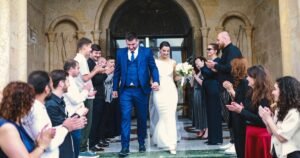
The ceremony may be over, but the celebration has only begun. The Wedding recessional order is the joyful exit after you are officially married. Unlike the processional, everyone leaves the ceremony with smiles, applause, and excitement as family and friends celebrate your new beginning.
Although many couples follow tradition, the recessional is flexible. Some newlyweds pause for a kiss halfway down the aisle, while others stop for photos or greet guests before heading to the reception.
Traditional Wedding Recessional Order
The newly married couple exits first, followed by the Flower Girl and Ring Bearer, the Maid of Honor and Best Man, the Bridesmaids and Groomsmen, parents, grandparents, and finally the guests.
| Recessional Order | Participant |
| 1 | Newly married couple |
| 2 | Flower Girl and Ring Bearer |
| 3 | Maid of Honor and Best Man |
| 4 | Bridesmaids and Groomsmen |
| 5 | Parents |
| 6 | Grandparents |
| 7 | Guests |
Modern Recessional Ideas for Every Ceremony
Many couples personalize their exit with bubbles, flower petals, ribbon wands, or live music. Some invite guests to cheer loudly, while others enjoy a quiet walk together before joining the reception. These personal touches make the first moments of marriage even more memorable.
Tips for a Memorable Wedding Exit
Choose upbeat music, walk at a comfortable pace, and pause for a kiss if your photographer recommends it. Don’t rush. These few moments often produce the most beautiful wedding photos and become cherished memories for years to come.
Conclusion
Choosing the perfect Wedding processional order is about more than deciding who walks first. It creates the atmosphere for your ceremony, honors your loved ones, and reflects your unique relationship. Whether you follow a traditional sequence or design a personalized entrance, thoughtful planning ensures every moment feels natural and unforgettable.
Take time to rehearse, communicate with your Wedding officiant, and share the final order with your Wedding party. With a clear plan and the right preparation, your ceremony will begin with confidence and end with beautiful memories that you and your guests will treasure for a lifetime.
FAQS
What is the correct order for a wedding processional?
The traditional order is the officiant, groom, grandparents, parents, wedding party, flower girl and ring bearer, followed by the bride.
Who walks down the aisle at a wedding in order?
Typically, the officiant enters first, followed by the groom, family members, bridesmaids, maid of honor, flower girl, ring bearer, and finally the bride.
What is the 50/20/30 rule for weddings?
The 50/20/30 rule suggests spending 50% of your budget on essentials, 20% on style and décor, and 30% on experiences like photography, entertainment, and other personal priorities.
Does the officiant say anything before the processional?
Usually, the officiant welcomes guests, asks them to be seated, and may give a brief announcement before the wedding processional begins.
What is the best opening line for a wedding speech?
A great opening is warm and personal, such as, “Good evening, everyone. Thank you for being here to celebrate this wonderful couple on their special day.”