Your wedding bouquet is more than a beautiful arrangement of flowers—it is a lasting symbol of one of the happiest days of your life. Wedding bouquet preservation allows you to transform those cherished blooms into a meaningful keepsake that can be displayed and treasured for years.
From air drying and pressing flowers to modern resin art and professional freeze-drying, there are many ways to protect your bouquet’s beauty. Choosing the right preservation method depends on your style, budget, and desired display. In this guide, you’ll discover the best techniques, expert tips, and creative ideas to help preserve your wedding flowers and keep your special memories blooming forever.
What Is Wedding Bouquet Preservation?
Wedding bouquet preservation is the process of protecting and drying your bridal bouquet so it can be displayed long after your wedding day.
Instead of allowing fresh flowers to wilt and fade, preservation techniques remove moisture while helping retain the bouquet’s shape, colour, and sentimental value.
Depending on the method you choose, your preserved bouquet can become:
- Framed wall art
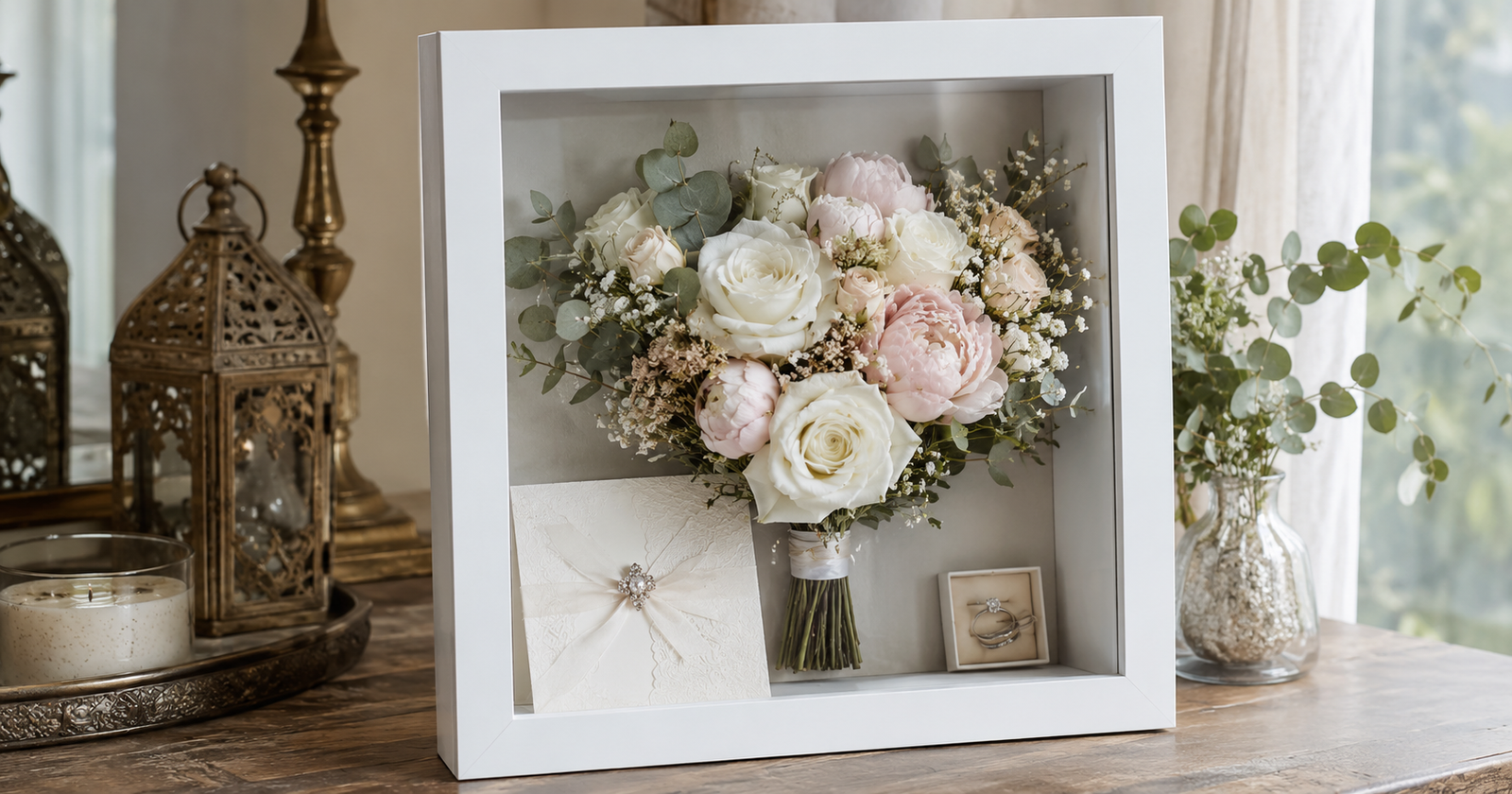
- A shadow box display
- Resin artwork
- Decorative ornaments
- Jewellery
- Home décor
- Family heirlooms
A beautifully preserved bouquet becomes a meaningful reminder of your wedding day.
Why Preserve Your Wedding Bouquet?
Many couples spend considerable time choosing flowers that perfectly match their wedding style.
Preserving the bouquet allows those carefully selected blooms to remain part of your life long after the ceremony.
Benefits include:
- Preserve precious memories
- Create unique home décor
- Celebrate your wedding anniversary
- Pass down family keepsakes
- Display your favourite flowers year-round
- Reduce waste by giving flowers a second life
For many couples, bouquet preservation becomes one of the most cherished wedding investments.
When Should You Preserve Your Bouquet?
Timing is one of the most important factors.
Fresh flowers begin losing moisture immediately after your wedding.
For the best results:
- Start preservation within 24–48 hours
- Keep flowers cool
- Avoid direct sunlight
- Place stems in fresh water until preservation begins
Waiting too long can cause petals to wilt, brown, or lose their shape.
Factors That Affect Preservation Quality
Not every bouquet preserves in exactly the same way.
Several factors influence the final appearance.
Flower Type
Some flowers preserve exceptionally well.
Examples include:
- Roses
- Lavender
- Baby’s breath
- Statice
- Strawflowers
- Hydrangeas
Delicate flowers may require professional preservation.
Freshness
The fresher your bouquet, the better the final result.
Flowers that have already started wilting may not preserve evenly.
Weather
Outdoor weddings during hot summer weather can speed up flower ageing.
Keeping the bouquet hydrated throughout the day helps improve preservation results.
Handling
Rough handling damages petals and stems.
Transport your bouquet carefully after the ceremony.
Different Ways to Preserve a Wedding Bouquet
Several preservation methods are available, each offering different results.
In the next section, we’ll compare the most popular techniques and explain which one is best for different budgets, bouquet styles, and display preferences.
Choosing the Right Preservation Method
Before selecting a preservation technique, consider these questions:
What Is Your Budget?
Some methods are inexpensive and suitable for DIY projects, while others involve professional services with higher costs.
How Do You Want to Display It?
Think about where your bouquet will be displayed after preservation.
Popular options include:
- Wall frames
- Glass display cases
- Resin blocks
- Decorative bowls
- Coffee tables
- Shelves
Do You Want to Preserve the Entire Bouquet?
Some methods preserve the bouquet as a whole, while others use individual flowers to create artwork or keepsakes.
How Much Maintenance Are You Comfortable With?
Certain preserved bouquets require minimal care, while others benefit from occasional cleaning and protection from sunlight and humidity.
Signs Your Bouquet Is Still Suitable for Preservation
Even if a day has passed since your wedding, your flowers may still be suitable for preservation if they:
- Still feel firm
- Have bright colours
- Show minimal petal damage
- Have healthy-looking stems
- Have been stored in water and kept cool
If your bouquet has already become brittle or severely wilted, some preservation methods may no longer produce the best results.
Can Every Wedding Bouquet Be Preserved?
In most cases, yes.
Almost every bouquet can be preserved using the right method. However, the final appearance depends on:
- Flower variety
- Flower condition
- Preservation technique
- Environmental conditions
- Time between the wedding and preservation
Professional preservation specialists can often restore bouquets that have experienced minor wilting.
Preparing Your Bouquet Before Preservation
Proper preparation improves the final outcome.
Before preserving your flowers:
- Remove damaged petals.
- Keep stems hydrated.
- Avoid crushing blooms.
- Store the bouquet in a cool location.
- Keep it away from heat and direct sunlight.
- Handle it gently during transport.
These simple steps help maintain the bouquet’s natural beauty until preservation begins.
Key Takeaways
Wedding bouquet preservation allows you to transform one of your wedding day’s most meaningful details into a lasting keepsake. By acting quickly after the ceremony, handling your bouquet with care, and choosing the right preservation method, you can enjoy your beautiful flowers for many years to come. Whether you decide on a professional service or a DIY approach, preserving your bouquet is a wonderful way to keep the memories of your special day alive.
Best Wedding Bouquet Preservation Methods
There are several ways to preserve a wedding bouquet, and each method creates a different look. The right option depends on your budget, how you want to display your flowers, and how much of the bouquet you want to preserve.
Air Drying
Air drying is one of the oldest and most affordable preservation methods. It works by hanging the bouquet upside down in a cool, dark, and dry place until all moisture has evaporated.
How to Air Dry a Bouquet
- Remove damaged leaves and petals.
- Tie the stems together with string or a rubber band.
- Hang the bouquet upside down.
- Keep it in a dry room away from sunlight.
- Allow it to dry for two to four weeks.
Pros
- Budget-friendly
- Easy to do at home
- Great for rustic bouquets
- No special equipment needed
Cons
- Flowers become brittle
- Colours may fade over time
- Delicate blooms may lose their shape
Pressing Flowers
Flower pressing creates flat, elegant keepsakes that are perfect for framed artwork or scrapbooks.
Best Flowers for Pressing
- Roses
- Daisies
- Lavender
- Baby’s breath
- Cosmos
- Ferns
Pros
- Beautiful framed artwork
- Long-lasting keepsakes
- Ideal for DIY projects
- Minimal storage space required
Cons
- Cannot preserve the bouquet’s original shape
- Large flowers require extra preparation
Silica Gel Drying
Silica gel removes moisture while helping flowers retain their original shape and colour better than air drying.
How It Works
Flowers are carefully buried inside silica crystals that slowly absorb moisture over one to three weeks.
Pros
- Better colour retention
- Flowers keep their shape
- Excellent for roses and peonies
- Suitable for DIY enthusiasts
Cons
- Requires silica gel crystals
- Takes careful handling
- Larger bouquets may need to be separated
Resin Preservation
Resin preservation has become one of the most popular modern options.
Individual flowers or petals are embedded inside clear resin to create decorative keepsakes.
Common resin products include:
- Display blocks
- Ring holders
- Coasters
- Paperweights
- Jewellery
- Decorative trays
Pros
- Modern appearance
- Excellent durability
- Highly decorative
- Many custom design options
Cons
- Difficult DIY process
- Resin can yellow over many years
- Usually requires professional experience
Freeze-Drying
Freeze-drying is considered the premium preservation method.
Special equipment removes moisture while maintaining the bouquet’s natural appearance.
Pros
- Outstanding colour retention
- Flowers keep their original shape
- Professional-quality results
- Long-lasting display
Cons
- Higher cost
- Requires specialist equipment
- Longer turnaround time
Many luxury wedding preservation companies recommend freeze-drying for sentimental bouquets.
Comparison of Preservation Methods
| Method | Difficulty | Cost | Best For | Lasts |
| Air Drying | Easy | Low | Rustic bouquets | Many years |
| Pressing | Easy | Low | Frames & artwork | Decades |
| Silica Gel | Moderate | Low–Medium | DIY preservation | Many years |
| Resin | Moderate–Hard | Medium–High | Decorative keepsakes | Many years |
| Freeze-Drying | Professional | High | Premium preservation | Decades |
DIY vs Professional Preservation
Both options have advantages depending on your budget and expectations.
| DIY Preservation | Professional Preservation |
| Lower cost | Premium quality |
| Fun personal project | Expert handling |
| Faster to start | Better colour retention |
| Requires patience | Wide range of display options |
| Some learning required | Less risk of damage |
Professional services are ideal for rare flowers or bouquets with significant sentimental value.
How Much Does Wedding Bouquet Preservation Cost?
The price depends on the preservation method and the finished display.
Typical price ranges are:
| Preservation Method | Estimated Cost |
| Air Drying | £0–£25 |
| Flower Pressing | £10–£80 |
| Silica Gel DIY | £20–£60 |
| Resin Keepsakes | £80–£350+ |
| Professional Freeze-Drying | £200–£600+ |
Additional customisation, larger bouquets, and premium display frames may increase the total cost.
Expert Tips for Better Preservation
Professional florists recommend following these simple tips.
Start Quickly
Begin preservation within 24 to 48 hours after your wedding for the best results.
Keep Flowers Hydrated
Until preservation begins, place the bouquet in clean water and keep it in a cool location.
Avoid Direct Sunlight
Sunlight accelerates fading and shortens the life of fresh flowers.
Handle Carefully
Support the bouquet from the stems instead of holding delicate flower heads.
Photograph the Bouquet First
Take several high-quality photos before preservation. This helps preserve the memory of its original appearance and provides a reference if you choose to recreate the arrangement.
Common Wedding Bouquet Preservation Mistakes
Avoid these mistakes to achieve the best results.
Waiting Too Long
Fresh flowers deteriorate quickly. Delaying preservation reduces the quality of the final keepsake.
Storing Flowers in Heat
Never leave your bouquet in a hot car or direct sunlight after the ceremony.
Using Damp Storage Areas
High humidity encourages mould and can damage delicate petals.
Choosing the Wrong Method
Some flowers respond better to certain preservation techniques. Research your bouquet’s flower varieties before deciding.
Skipping Cleaning
Remove damaged petals, excess leaves, ribbons, and moisture before beginning preservation.
Creative Ways to Display a Preserved Bouquet
Your preserved flowers can become a beautiful part of your home décor.
Popular display ideas include:
- Shadow box frame
- Glass dome
- Resin display block
- Floating shelf
- Wedding memory table
- Bedroom wall art
- Hallway gallery
- Decorative coffee table display
- Handmade scrapbook
- Anniversary display
Displaying your bouquet allows you to enjoy your wedding memories every day.
Caring for a Preserved Bouquet
To keep your preserved flowers looking beautiful:
- Dust them gently with a soft brush.
- Keep them away from direct sunlight.
- Avoid damp or humid rooms.
- Handle the display carefully.
- Store resin pieces away from excessive heat.
- Clean display cases occasionally with a microfiber cloth.
With proper care, preserved wedding flowers can remain beautiful for many years.
Conclusion
Your wedding bouquet represents one of the most meaningful details of your special day, and preserving it allows those memories to live on for years to come. Whether you choose a simple DIY method like air drying, create elegant pressed flower artwork, or invest in professional freeze-drying or resin preservation, each option offers a beautiful way to celebrate your wedding long after the last dance.
The key to successful wedding bouquet preservation is acting quickly, handling your flowers with care, and selecting a preservation method that matches your budget and personal style. With proper care and display, your preserved bouquet can become a timeless keepsake that reminds you of your wedding day every time you see it.
Frequently Asked Questions
How long does wedding bouquet preservation last?
A professionally preserved wedding bouquet can last for decades when stored and displayed correctly. Keeping it away from direct sunlight, humidity, and excessive heat helps maintain its colour and shape for many years.
What is the best wedding bouquet preservation method?
The best method depends on your goals.
- Freeze-drying offers the most natural appearance.
- Resin preservation creates modern decorative keepsakes.
- Pressing is ideal for framed artwork.
- Air drying is the most affordable DIY option.
- Silica gel provides excellent colour retention for home preservation.
Can I preserve my wedding bouquet myself?
Yes. Many couples successfully preserve their bouquets using air drying, flower pressing, or silica gel. DIY preservation is more affordable, while professional services generally produce higher-quality results.
How soon should I preserve my bouquet?
For the best results, begin the preservation process within 24 to 48 hours after your wedding. Fresh flowers preserve much better than blooms that have already started to wilt.
How much does wedding bouquet preservation cost?
The cost varies depending on the preservation method.
Typical prices include:
- Air drying: £0–£25
- Pressed flowers: £10–£80
- Silica gel: £20–£60
- Resin keepsakes: £80–£350+
- Professional freeze-drying: £200–£600+
Custom display options and larger bouquets may increase the final price.
Can every type of flower be preserved?
Most flowers can be preserved, although some varieties produce better results than others. Roses, hydrangeas, lavender, baby’s breath, and orchids generally preserve very well, while delicate blooms may require professional care.
Will my flowers keep their original colour?
Some colour changes are normal during preservation. Professional freeze-drying and silica gel methods usually retain colour better than traditional air drying.
Is resin preservation permanent?
Resin keepsakes are extremely durable and can last for many years. To maintain their clarity, keep them away from prolonged direct sunlight and excessive heat.
Can I preserve only a few flowers instead of the whole bouquet?
Absolutely. Many couples preserve individual blooms to create:
- Framed artwork
- Jewellery
- Resin coasters
- Ring holders
- Christmas ornaments
- Decorative blocks
This is a great option if you don’t want to preserve the full bouquet.
Can I preserve bouquets with artificial flowers?
Yes. Artificial flowers don’t require drying and can easily be arranged in shadow boxes, frames, or display cases as long-lasting keepsakes.
Is professional preservation worth it?
If your bouquet has significant sentimental value or contains expensive flowers, professional preservation is often worth the investment. Specialists use advanced techniques that help preserve the bouquet’s natural appearance far better than most DIY methods.
What is the easiest DIY preservation method?
Air drying is generally the simplest method because it requires very little equipment. Simply tie the bouquet together and hang it upside down in a cool, dry location for several weeks.
How should I display a preserved bouquet?
Popular display ideas include:
- Shadow boxes
- Glass domes
- Picture frames
- Floating shelves
- Resin display blocks
- Decorative cabinets
Choose a location away from direct sunlight and moisture to protect your keepsake.
Can preserved flowers get mouldy?
If flowers are not completely dry before being sealed or displayed, mould can develop. Proper drying and low-humidity storage help prevent this problem.
How do I clean a preserved bouquet?
Use a soft makeup brush, feather duster, or microfiber cloth to gently remove dust. Avoid using water or cleaning sprays, as they can damage preserved flowers.