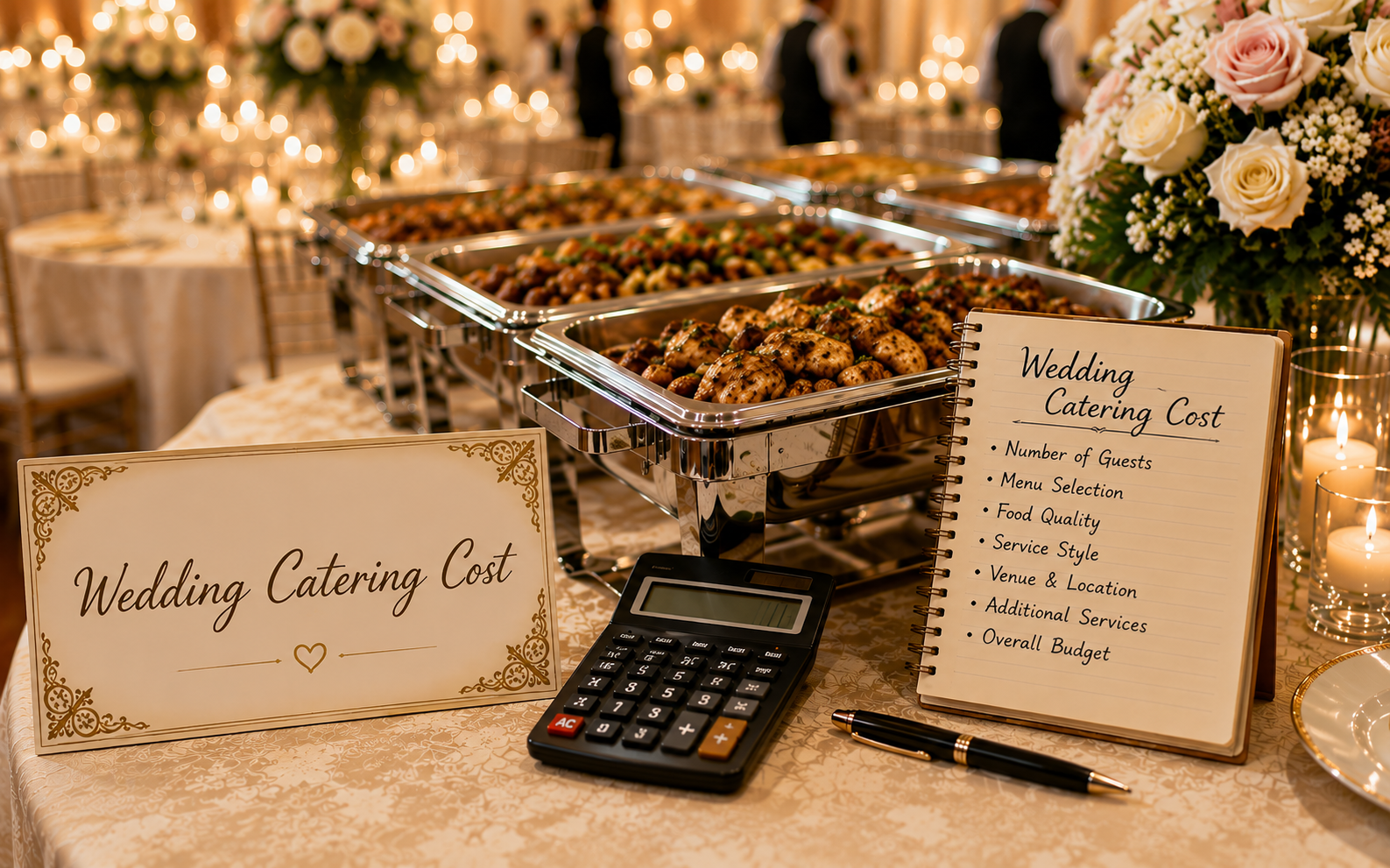
Understanding wedding catering cost is essential for creating a realistic wedding budget and avoiding unexpected expenses. Catering is often one of the largest investments for a wedding, covering everything from food and beverages to service staff, table settings, and cleanup.
The total cost depends on several factors, including your guest count, menu choices, service style, venue, and beverage package. Whether you’re planning an elegant plated dinner, a casual buffet, or interactive food stations, knowing what influences pricing can help you make informed decisions. In this guide, you’ll learn about average wedding catering costs, key pricing factors, budgeting tips, and practical ways to save money while still providing an exceptional dining experience for your guests.
Why Wedding Catering Is One of the Largest Wedding Expenses
Food and drinks are central to every wedding celebration. Unlike decorations or entertainment, catering expenses increase with every additional guest, making it one of the most significant portions of your wedding budget.
Professional wedding catering usually includes:
- Food preparation
- Professional chefs
- Serving staff
- Table service
- Buffet setup
- Beverage service
- Kitchen equipment
- Cleanup
Many full-service caterers also provide linens, tableware, glassware, and event coordination.
What Affects Wedding Catering Cost?
Several factors determine how much you’ll spend.
Guest Count
The number of guests has the biggest impact on your catering budget.
More guests mean:
- More food
- Additional staff
- Larger beverage orders
- More tables and equipment
- Higher service costs
Creating an accurate guest list early helps avoid unnecessary expenses.
Catering Style
Different service styles require different levels of staffing and preparation.
Popular options include:
Plated Dinner
Ideal for formal weddings.
Advantages:
- Elegant presentation
- Controlled portions
- Professional table service
Usually the most expensive option due to higher staffing requirements.
Buffet
A buffet allows guests to serve themselves.
Benefits include:
- Lower staffing costs
- More menu variety
- Faster service
- Better value for larger weddings
Family-Style Service
Large serving platters are shared at each table, creating a warm and interactive dining experience.
Food Stations
Interactive stations such as taco bars, pasta stations, sushi bars, or carving stations are increasingly popular and offer guests more variety.
Cocktail Reception
Instead of a full dinner, guests enjoy:
- Hors d’oeuvres
- Small plates
- Desserts
- Signature drinks
This style can reduce costs while creating a relaxed atmosphere.
Menu Selection
The ingredients you choose significantly affect your overall catering bill.
Budget-Friendly Menu Ideas
- Pasta
- Roast chicken
- Seasonal vegetables
- Rice dishes
- Fresh salads
Premium Menu Options
- Beef tenderloin
- Prime rib
- Lobster
- Crab
- Filet mignon
- Premium seafood
Luxury ingredients naturally increase catering costs.
Beverage Packages
Drinks often represent a significant portion of your catering budget.
Common beverage options include:
- Soft drinks
- Coffee and tea
- Wine
- Beer
- Champagne
- Signature cocktails
- Full open bar
Limiting premium alcohol or offering a signature cocktail instead of a full bar can help reduce expenses.
Wedding Venue
Some venues require you to use their in-house catering service, while others allow outside caterers.
Venue requirements may affect:
- Catering costs
- Rental fees
- Kitchen access
- Staffing requirements
- Equipment rentals
Always confirm your venue’s catering policies before booking.
Seasonal Pricing
Wedding catering prices often increase during peak wedding season.
Booking your wedding during quieter months may help you secure better pricing and greater caterer availability.
Average Wedding Catering Budget Breakdown
A simple catering budget may include:
| Expense | Typical Share of Catering Budget |
| Food | 55% |
| Drinks | 20% |
| Staff | 10% |
| Rentals | 7% |
| Desserts | 5% |
| Miscellaneous Fees | 3% |
Your actual spending will depend on your menu, guest count, and location.
Hidden Catering Costs to Watch For
Some expenses aren’t always included in the initial quote.
Common hidden costs include:
- Cake-cutting fees
- Corkage fees
- Gratuities
- Overtime charges
- Delivery fees
- Equipment rental
- Cleanup fees
- Travel charges
- Service fees
Ask your caterer for a detailed written quote to avoid unexpected surprises.
Questions to Ask Before Booking a Caterer
Before signing a contract, ask:
- What’s included in the quoted price?
- Are beverages included?
- Is gratuity included?
- Are tableware and linens provided?
- Do you charge overtime?
- What happens if my guest count changes?
- Can the menu be customized?
- Do you accommodate allergies and dietary requirements?
Clear communication helps you compare quotes more accurately.
How to Save Money on Wedding Catering
Wedding catering doesn’t have to consume your entire wedding budget. With smart planning and a few strategic choices, you can serve a delicious meal while keeping costs under control.
Keep Your Guest List Manageable
Since most caterers charge per guest, reducing your guest count is one of the easiest ways to lower your catering expenses.
A smaller guest list means:
- Less food
- Fewer drinks
- Fewer tables
- Lower staffing costs
- Reduced rental fees
Quality often matters more than quantity.
Choose Seasonal Ingredients
Seasonal produce is usually:
- Fresher
- More affordable
- Better tasting
- Easier for caterers to source
Ask your caterer to recommend dishes using ingredients that are in season during your wedding.
Consider Buffet Service
Buffets generally require fewer servers than plated dinners.
Benefits include:
- Lower labor costs
- More menu variety
- Faster service
- Flexible portions
For larger weddings, buffet service can provide excellent value.
Limit the Bar Menu
Instead of offering a full open bar, consider:
- Beer and wine only
- One or two signature cocktails
- Limited premium spirits
- Champagne for the toast only
Guests still enjoy a great experience while you reduce beverage costs.
Skip Unnecessary Extras
Not every wedding needs elaborate upgrades.
You may save money by skipping:
- Luxury imported ingredients
- Ice sculptures
- Premium liquor packages
- Excessive dessert options
- Multiple late-night food stations
Focus your budget on food quality instead.
Budget-Friendly Wedding Menu Ideas
Affordable doesn’t mean boring.
Starter Ideas
- Garden salad
- Tomato soup
- Bruschetta
- Vegetable platter
- Bread basket
Main Course Ideas
- Herb-roasted chicken
- Roast turkey
- Pasta primavera
- Grilled vegetables
- Baked salmon
Side Dishes
- Garlic mashed potatoes
- Rice pilaf
- Mixed vegetables
- Caesar salad
- Dinner rolls
Dessert Ideas
- Cupcakes
- Brownies
- Cookies
- Seasonal fruit
- Mini cheesecakes
These menu options satisfy guests without dramatically increasing your budget.
Sample Wedding Catering Budgets
Every wedding is different, but these examples can help you estimate your spending.
Small Wedding (50 Guests)
Budget allocation:
| Category | Suggested Percentage |
| Food | 55% |
| Drinks | 20% |
| Desserts | 8% |
| Staff | 10% |
| Rentals | 7% |
Medium Wedding (100 Guests)
A balanced budget may include:
- Buffet dinner
- Beer and wine
- Dessert table
- Coffee station
This combination offers excellent value while providing guests with plenty of variety.
Large Wedding (200+ Guests)
Many large weddings reduce costs by choosing:
- Buffet service
- Seasonal menus
- Family-style dining
- Simple desserts
- Limited bar packages
These choices help control per-person expenses.
DIY Catering vs Professional Catering
Some couples consider preparing food themselves.
DIY Catering
Advantages:
- Lower costs
- Personal recipes
- Full menu control
Disadvantages:
- Time-consuming
- Stressful
- Food safety concerns
- Requires additional helpers
DIY catering works best for small, informal weddings.
Professional Catering
Advantages:
- Experienced chefs
- Professional service
- Food safety compliance
- Less stress
- Better presentation
Although more expensive, professional catering offers peace of mind on your wedding day.
Wedding Catering Cost Comparison
| Catering Style | Cost Level | Staffing | Best For |
| Buffet | Low | Low | Large weddings |
| Family Style | Medium | Medium | Relaxed receptions |
| Food Stations | Medium | Medium | Modern weddings |
| Plated Dinner | High | High | Formal receptions |
| Cocktail Reception | Medium | Low | Evening weddings |
Choose the option that fits both your wedding vision and your budget.
Common Budgeting Mistakes
Avoid these costly mistakes.
Underestimating Guest Numbers
Always allow for a small margin when estimating attendance.
Unexpected guests can increase catering costs.
Ignoring Service Fees
Many catering quotes exclude:
- Gratuities
- Delivery charges
- Equipment rental
- Overtime fees
Ask for a detailed breakdown before signing a contract.
Booking Too Late
Popular caterers often increase prices as availability becomes limited.
Booking early usually provides:
- Better pricing
- More menu choices
- Greater availability
Not Reading the Contract
Review every detail, including:
- Payment schedule
- Cancellation policy
- Guest count deadlines
- Additional fees
- Menu changes
Understanding your contract helps prevent unexpected expenses.
Expert Tips for Reducing Wedding Catering Costs
Professional wedding planners recommend:
Compare Multiple Quotes
Request estimates from at least three reputable caterers before making a decision.
Schedule a Menu Tasting
A tasting helps ensure you’re paying for food you’ll truly enjoy.
Prioritize Quality
A smaller selection of high-quality dishes often leaves a better impression than an oversized menu.
Choose Local Caterers
Local catering companies usually charge lower travel and delivery fees than businesses located farther away.
Confirm Final Guest Numbers Early
Providing an accurate guest count helps prevent unnecessary food waste and extra charges.
Wedding Catering Budget Checklist
Before finalizing your catering contract, make sure you’ve completed these steps:
- ✅ Set your catering budget
- ✅ Finalized your guest list
- ✅ Compared multiple caterers
- ✅ Selected your service style
- ✅ Scheduled a tasting
- ✅ Reviewed hidden fees
- ✅ Confirmed beverage options
- ✅ Checked venue catering policies
- ✅ Read the contract carefully
- ✅ Confirmed payment deadlines
Following this checklist can help you stay on budget while planning a memorable dining experience.
Key Takeaways
Understanding wedding catering cost allows you to make informed decisions throughout the planning process. Guest count, menu selection, service style, beverages, venue requirements, and hidden fees all play a role in determining your final expenses. By booking early, comparing quotes, choosing seasonal ingredients, and focusing on the elements that matter most, you can create an unforgettable wedding meal without exceeding your budget.
Conclusion
Understanding wedding catering cost helps you make informed decisions while planning one of the most important parts of your wedding reception. From choosing the right service style and menu to managing your guest count and reviewing hidden fees, every decision affects your overall budget. By planning ahead, comparing catering companies, selecting seasonal ingredients, and focusing on what matters most to you and your guests, you can enjoy a delicious, memorable dining experience without unnecessary overspending. With the right strategy, exceptional wedding catering can fit a wide range of budgets while making your celebration truly unforgettable.
Frequently Asked Questions
How much does wedding catering cost?
Wedding catering costs vary depending on your guest count, menu, service style, venue, and beverage package. Buffet service is generally more affordable than plated dinners, while premium ingredients and full-service catering increase the overall cost.
What factors affect wedding catering prices?
Several factors influence the final price, including:
- Number of guests
- Menu selection
- Service style
- Venue location
- Beverage package
- Staffing requirements
- Equipment rentals
- Seasonal availability
Understanding these factors helps you create a realistic catering budget.
Is buffet catering cheaper than plated service?
Yes. Buffet catering usually requires fewer servers and offers more flexibility, making it a cost-effective option for medium and large weddings.
How can I reduce my wedding catering costs?
You can save money by:
- Reducing your guest list
- Choosing seasonal ingredients
- Selecting buffet service
- Limiting the alcohol menu
- Booking your caterer early
- Choosing local catering companies
- Avoiding unnecessary upgrades
These strategies help lower costs without sacrificing quality.
Should I choose professional catering or DIY catering?
Professional catering is recommended for most weddings because it provides experienced chefs, trained staff, food safety, and reliable service. DIY catering may work for very small, informal weddings but requires significant planning and preparation.
What is included in a wedding catering package?
Many catering packages include:
- Food preparation
- Serving staff
- Buffet or plated service
- Beverage service
- Setup and cleanup
- Plates, cutlery, and glassware
- Tables and linens (depending on the caterer)
Always ask for a detailed list of what’s included before signing a contract.
Do wedding caterers charge for children?
Policies vary by caterer. Some offer reduced prices for children, while others provide separate kids’ menus at a lower cost. Confirm pricing during the booking process.
Are drinks included in wedding catering?
Some caterers include non-alcoholic beverages, while alcoholic drinks may be offered as an optional package. Ask whether coffee, tea, soft drinks, wine, beer, or cocktails are included in your quote.
What hidden catering fees should I look out for?
Common additional charges include:
- Delivery fees
- Service charges
- Gratuities
- Corkage fees
- Cake-cutting fees
- Equipment rentals
- Overtime charges
- Travel expenses
Request an itemized estimate to avoid surprises.
When should I book my wedding caterer?
Book your caterer 9 to 12 months before your wedding, especially if you’re getting married during peak wedding season when popular vendors fill their calendars quickly.
How many menu options should I offer?
Two or three entrée choices are usually enough. Include at least one vegetarian or vegan option so guests with different dietary preferences have suitable meals.
Can wedding caterers accommodate food allergies?
Yes. Most professional caterers can prepare meals for guests with allergies or dietary restrictions, including gluten-free, dairy-free, vegetarian, vegan, halal, and kosher options. Provide dietary information well in advance.
Is an open bar more expensive than a limited bar?
Generally, yes. A full open bar costs more because it includes a wider selection of alcoholic beverages. Offering beer, wine, and one or two signature cocktails is often a more budget-friendly alternative.
Should I schedule a menu tasting?
Absolutely. A tasting allows you to evaluate food quality, presentation, portion sizes, and make any necessary menu adjustments before your wedding day.
What’s the best way to stay within my catering budget?
Set a realistic budget early, compare several caterers, prioritize high-quality food over excessive menu choices, and review your contract carefully to understand all fees and services included Wedding Catering Cost.