Planning your wedding does not have to mean spending a fortune on decorations. With the right ideas and a little creativity, low budget wedding stage decoration can look just as elegant as an expensive setup. By choosing a beautiful Simple wedding stage decoration, adding a stylish Wedding stage backdrop ideas, and using Affordable wedding decorations, you can create a stunning focal point that guests will remember. Whether you are decorating a banquet hall, backyard, or your home, smart planning makes a big difference. This guide shares practical Budget wedding decoration ideas and creative DIY wedding stage decoration tips to help you design a memorable wedding stage that looks luxurious while staying within your budget. What Is Low Budget Wedding Stage Decoration? Low Budget Wedding Stage Decoration is the process of creating a beautiful wedding stage using affordable materials, creative planning, and thoughtful design instead of expensive custom décor. Rather than focusing on costly floral installations or designer furniture, you concentrate on the details that guests actually notice. A carefully chosen Wedding theme, matching Color palette, and attractive Wedding backdrop can instantly elevate the entire celebration. The goal is not to make your wedding look inexpensive. Instead, you create a polished atmosphere by selecting quality pieces that work together. Many couples now combine Simple wedding stage decoration, rental furniture, handmade decorations, and Affordable wedding decorations to achieve a premium appearance. The result feels personal, elegant, and memorable while staying comfortably within budget. Why Budget-Friendly Wedding Stage Decor Is So Popular Wedding costs continue to rise across the United States, making budget-friendly decorating a smart choice for many couples. Instead of spending large amounts on temporary decorations, couples invest in meaningful experiences while using creative décor techniques to impress their guests. Beautiful weddings no longer depend on expensive price tags. Benefits of Choosing Affordable Wedding Stage Decorations Affordable decorating gives you greater flexibility throughout the planning process. You can personalize every detail while avoiding unnecessary expenses. It also allows you to mix rentals, handmade pieces, and reusable decorations to create an Elegant wedding stage design that reflects your personality without financial stress. Key Elements of a Beautiful Budget Wedding Stage Every attractive wedding stage begins with balance. A coordinated Wedding backdrop, soft Decorative lighting, tasteful Floral arrangements, and carefully selected seating create a welcoming focal point. Even small decorative touches can produce a luxurious atmosphere when every element complements the overall design. How to Plan a Low Budget Wedding Stage Decoration Before purchasing a single decoration, spend time creating a realistic plan. Careful planning helps you avoid impulse purchases and keeps every dollar working toward your dream wedding. The best Low Budget Wedding Stage Decoration ideas begin with organization instead of shopping because a clear vision prevents unnecessary spending later. Think about your wedding location, guest count, season, and overall style before selecting decorations. Some venues already offer attractive architectural features that reduce decorating costs. Others may need additional lighting or fabric to create the perfect setting. Understanding your Wedding venue allows you to decorate smarter rather than spending more. Planning Step Why It Matters Set a budget Prevents overspending Choose a theme Creates a consistent look Measure the stage Avoids buying unnecessary décor Compare rental prices Saves money Plan decoration timing Reduces last-minute stress Set a Realistic Wedding Decoration Budget Start by deciding how much of your total wedding budget will go toward decorations. Many couples divide their budget between flowers, rentals, lighting, and backdrop materials. Keeping a spending limit helps you make practical choices throughout the planning process. Choose a Theme That Matches Your Style A consistent Wedding theme makes even affordable decorations appear professionally designed. Whether you love rustic charm, modern elegance, vintage romance, or minimalist beauty, choosing one style keeps every decoration working together instead of competing for attention. Prioritize the Stage as the Main Focal Point Guests naturally focus on the stage throughout the ceremony and reception. Investing more attention in the Reception stage creates stronger visual impact than decorating every corner of the venue. A beautiful stage often makes the entire wedding appear more luxurious. Rent, Reuse, and Repurpose Wedding Decor Rental companies offer arches, furniture, lighting, and decorative accessories at a fraction of the purchase price. You can also reuse ceremony flowers during the reception or move backdrop pieces between different wedding events. Smart reuse stretches your decorating budget without sacrificing style. Create a Decoration Timeline Preparing decorations in advance reduces stress during the final wedding week. Create a checklist for ordering supplies, completing DIY projects, confirming rentals, and setting up decorations. Staying organized prevents expensive last-minute decisions while keeping everything on schedule. 25 Low Budget Wedding Stage Decoration Ideas Creative decorating is often more valuable than an expensive budget. Many stunning wedding stages use ordinary materials arranged in extraordinary ways. The following ideas prove that Low Budget Wedding Stage Decoration can still create breathtaking photographs and unforgettable memories. Instead of filling every space with decorations, focus on combining texture, lighting, flowers, and color. Layering simple materials often produces a richer appearance than purchasing costly decorations. These ideas work for weddings of every size, whether you are planning a formal ballroom celebration or Wedding stage decoration at home. Elegant Fabric Drapes Soft Fabric draping instantly transforms a plain wall into a romantic stage backdrop. Sheer curtains, satin panels, or chiffon fabrics create depth while hiding unattractive venue walls. Choosing neutral colors keeps the design timeless and works with almost every wedding style. Balloon Arches and Balloon Walls A stylish Balloon arch creates an eye-catching entrance or stage centerpiece without requiring a large investment. Modern balloon designs combine different sizes, soft colors, and greenery to create a sophisticated appearance that feels elegant rather than childish. Fairy Lights and String Lights Nothing changes a wedding atmosphere faster than warm Fairy lights. Draping lights behind curtains or around the stage creates soft illumination that photographs beautifully. Proper Decorative lighting also makes simple decorations appear richer during evening celebrations. Artificial Flower Backdrops High-quality artificial flowers now look
50 Backyard Wedding Idea for Beautiful and Memorable Celebration
A backyard wedding can turn a familiar outdoor space into a celebration filled with charm, personality, and meaningful memories. Instead of following strict venue rules, you can design every detail around your style, budget, and love story. From romantic Backyard wedding decorations to relaxed dining and creative entertainment, the possibilities feel almost endless. However, successful Backyard wedding planning requires more than setting up tables and hanging lights. You also need to consider weather, parking, power, restrooms, and guest comfort. Whether you are planning an intimate At-home wedding or a larger Backyard wedding reception, these 50 inspiring ideas will help you create a beautiful celebration that feels personal, comfortable, and truly unforgettable. Why Choose a Backyard Wedding? A backyard celebration feels deeply personal because the location already carries meaning. You may exchange vows beneath a childhood tree or celebrate beside the garden your family planted. Unlike traditional venues, a Backyard wedding venue allows you to shape the atmosphere around your story and personal style. However, hosting at home requires thoughtful preparation. You must consider parking, power, bathrooms, neighbors, and Wedding guests. Smart Backyard wedding planning can turn these challenges into manageable tasks. You also gain creative freedom over your schedule, vendors, food, and décor without following rigid venue rules. The Personal and Sentimental Value of an At-Home Celebration An At-home wedding can make ordinary places feel extraordinary. Your front porch might become an entrance while a favorite tree frames your vows. These personal details create memories that expensive venues cannot easily copy. Better still, you can revisit the location long after your wedding day. Can a Backyard Wedding Save You Money? Skipping a traditional venue fee may reduce one major expense. However, rentals can quickly add up. Tables, chairs, generators, lighting, restrooms, and a Wedding tent may cost thousands. Compare complete estimates before assuming your backyard celebration will automatically be cheaper. The Pros and Cons of Hosting a Wedding at Home Home weddings offer flexibility, privacy, and meaningful surroundings. On the other hand, you become responsible for infrastructure that established venues already provide. Careful planning matters. Think of your property as a blank canvas that needs power, shelter, sanitation, accessibility, and smooth movement. How to Plan a Backyard Wedding at Home Great Backyard wedding ideas begin with practical decisions rather than decorations. First, measure the usable space and estimate how many people can move comfortably. Then consider tables, catering equipment, pathways, restrooms, and emergency access. A crowded yard can quickly become uncomfortable and difficult to manage. Next, create a realistic budget and timeline. Check Local permits, noise ordinances, insurance requirements, and parking restrictions in your city or county. Rules vary across the United States. Contact the appropriate local authority before booking vendors or sending invitations. 1. Set a Realistic Backyard Wedding Budget Create separate estimates for rentals, food, lighting, sanitation, entertainment, landscaping, and cleanup. Leave room for unexpected costs. A damaged lawn or last-minute generator rental can stretch your budget. Comparing home-wedding expenses with traditional venue packages gives you a clearer financial picture. 2. Determine Your Space and Guest Capacity Measure your property before finalizing the guest list. Account for chairs, tables, food service, pathways, and entertainment areas. Your Wedding guests need enough room to move naturally. A smaller guest list often creates a warmer atmosphere while reducing pressure on limited outdoor space. 3. Divide the Property Into Functional Wedding Zones Give each area a clear purpose. One section can host the ceremony while another handles cocktails and dinner. This approach improves traffic flow. It also makes your Backyard wedding reception feel larger because guests experience several distinct settings throughout the celebration. 4. Check Local Permits, Noise Ordinances, and Insurance Research Local permits before signing vendor contracts. Some areas regulate amplified music, temporary structures, street parking, or large gatherings. You may also need event insurance. Confirm requirements directly with your local government because regulations can differ between cities, counties, and homeowners associations. 5. Inform Your Neighbors Before the Wedding Friendly communication can prevent unnecessary conflict. Tell nearby neighbors about the date, expected hours, parking arrangements, and music schedule. A thoughtful conversation shows respect. Some couples even offer a small gift or invitation, which can turn potential complaints into cheerful support. 6. Plan Parking and Guest Transportation Most residential streets cannot handle dozens of extra vehicles. Consider a nearby legal parking area with shuttle transportation. Ride-share instructions can also help. Keep driveways and emergency access routes clear. Good transportation planning creates a smoother arrival and departure for everyone. Backyard Wedding Ceremony Ideas Your Backyard wedding ceremony should highlight what makes the property special. Instead of hiding every natural feature, use mature trees, gardens, porches, and architecture as part of the setting. These elements can create an authentic Outdoor ceremony without requiring excessive decorations. Think carefully about sunlight and guest visibility. Visit your ceremony location at the exact time you plan to marry. Notice shadows, glare, wind, and background distractions. This simple rehearsal can help you choose the strongest layout for photographs and Floral arrangements. 7. Tie the Knot Beneath a Meaningful Tree A mature tree creates a natural ceremony focal point. Add subtle flowers or fabric rather than covering its character. If the tree holds family memories, share that story during the ceremony. Meaningful surroundings can give your vows an emotional depth that rented décor cannot manufacture. 8. Use Your Home as a Beautiful Ceremony Backdrop A charming house can become part of the design. Position your ceremony near attractive doors, brickwork, or garden walls. Thoughtful Wedding décor ideas can enhance existing architecture while keeping the setting authentic. Test camera angles beforehand to avoid distracting objects in photographs. 9. Line the Wedding Aisle With Growing Flowers Potted plants and seasonal blooms can define the aisle naturally. Unlike cut flowers, living plants can survive beyond the celebration. Choose varieties suited to your climate. Afterward, plant them in your garden as a lasting reminder of your wedding day. 10. Decorate the Front Porch for Your Ceremony A porch can become an intimate ceremony
Wedding Table Decoration Ideas: Beautiful Ways to Style Your Tables
Your reception tables set the mood long before dinner begins. With the right wedding table decoration ideas, you can turn an ordinary space into a warm, stylish celebration that feels personal to you. From elegant wedding table centerpieces and soft lighting to beautiful wedding table linens, every detail helps shape the overall look. You can choose romantic flowers, modern accents, rustic textures, or simple DIY touches to match your theme and budget. Thoughtful wedding table settings also keep guests comfortable while adding charm to each seat. Whether you are planning a grand ballroom event or an intimate outdoor reception, creative wedding reception decor can make every table feel welcoming and truly memorable. How to Choose the Perfect Wedding Table Decoration Style Start with the feeling you want guests to experience. Your Wedding reception decor should connect naturally with your venue, season, and personal taste. A ballroom may suit polished details, while a barn feels warmer with Natural materials. Choose one clear direction before buying flowers, candles, linens, or decorative accessories. Next, create a simple Color palette with two or three main shades. Then add texture through fabric, glass, wood, or metal. Your Wedding table settings should also remain practical. Guests need room for plates and drinks, while centerpieces should never block conversation across the table. Match Your Table Decor With Your Wedding Theme Think of your theme as a visual compass. Rustic weddings may feature wood and greenery, while modern celebrations often use clean lines and Metallic accents. Keep each element connected. When your Wedding table decoration follows one clear style, the entire reception feels polished rather than randomly assembled. Consider Your Venue, Season, and Reception Layout Your venue already provides a backdrop, so work with it. Spring gardens welcome soft flowers, while autumn venues suit richer textures. Also study your Wedding reception space before choosing decorations. Large rooms can handle dramatic designs, while intimate venues often look better with simpler tables and fewer oversized elements. Create a Cohesive Wedding Color Palette Choose shades that complement rather than compete. A neutral foundation can support stronger accent colors, while seasonal hues add character. Repeat your main shades across flowers, napkins, stationery, and candles. This repetition helps your Wedding reception tables look connected without making every table completely identical. Balance Beauty With Guest Comfort and Functionality Beautiful tables should still work well during dinner. Leave enough room for glassware, plates, and serving pieces. Keep menus readable and decorations stable. Most importantly, test centerpiece height. Guests should see each other easily without leaning around flowers or moving decorations during conversations. Wedding Table Centerpiece Ideas for Every Style Centerpieces usually become the visual anchor of reception tables. Classic Floral centerpieces create softness, while candles bring warmth and intimacy. You can also combine flowers, fruit, branches, pottery, or sculptural pieces. Choose designs that match your table size instead of simply following a trend. For Round wedding tables, one central arrangement often creates natural balance. Long tables usually benefit from repeated smaller pieces. Dramatic Tall centerpieces work beautifully in venues with high ceilings. However, their bases should remain narrow enough to preserve clear sightlines and comfortable conversation. Low Centerpieces for an Intimate Tablescape Low arrangements keep the table open and sociable. Compact flowers, small vessels, and grouped candles create detail without becoming distracting. This approach works especially well for intimate dinners because guests can talk freely while still enjoying attractive Wedding table centerpieces throughout the meal. Tall Floral Centerpieces for a Dramatic Look Use Tall centerpieces when you want visual drama or need to fill a large room. Elevated Floral arrangements draw attention upward and can make a spacious venue feel more complete. Choose slim stands or transparent bases so guests can still see across the table comfortably. Candle and Candelabra Centerpiece Ideas Candelabras add height without requiring huge flower arrangements. For a softer design, group Taper candles at different heights. Their flickering light creates a beautiful Romantic ambiance, especially during evening receptions. Always check venue rules first because some locations restrict open flames or require enclosed candle holders. Modern Non-Floral Wedding Centerpieces Flowers are beautiful, yet they are not your only choice. Sculptural vases, fruit, lanterns, branches, books, and ceramic pieces can create distinctive tables. These alternatives often work beautifully for modern celebrations and may reduce floral costs while giving your reception a more personal identity. Beautiful Wedding Table Flower and Greenery Ideas Flowers bring movement, fragrance, and softness to a tablescape. Seasonal Floral arrangements usually look fresher and may offer better value. Instead of choosing flowers only by color, consider shape and texture. Mixing delicate blooms with foliage creates depth and prevents arrangements from appearing flat or overly formal. Greenery can also transform Wedding reception tables without overwhelming them. Eucalyptus, ferns, vines, and leafy branches create an organic look. For extra warmth, weave candles between greenery. This combination produces a relaxed Romantic ambiance while allowing flowers to remain the star rather than competing with excessive accessories. Seasonal Floral Arrangements for Wedding Tables Seasonal flowers can make your tables feel connected to the time of year. Spring suits airy blossoms, while autumn welcomes richer foliage and deeper shades. Ask your florist which blooms are naturally abundant near your wedding date. Flexible flower choices can also protect your budget from sudden price changes. Greenery Garlands and Garden-Inspired Displays Greenery garlands work particularly well on long tables. They create continuity without requiring separate large arrangements. For Round wedding tables, use a compact ring of foliage around candles or a central vase. The result feels fresh, natural, and elegant without consuming valuable dining space. Mix Fresh Flowers With Candles and Natural Elements Combine blooms with stone, wood, fruit, moss, or ceramic vessels for extra character. These Natural materials can make formal flowers feel more relaxed. Meanwhile, candlelight softens hard surfaces. The contrast creates a layered design that feels carefully styled without looking too perfect or artificial. Use Faux Flowers for a Budget-Friendly Alternative High-quality faux flowers can work well in large installations or areas guests view
The Ultimate Wedding Checklist: Tasks to Plan Your Perfect Wedding
Planning your dream wedding feels exciting, but dozens of small tasks can quickly become overwhelming. A well-organized wedding list gives you a clear path from engagement to the big day, helping you manage every important detail without unnecessary stress. Whether you are choosing a venue, setting a budget, booking wedding vendors, or creating your guest list, following a reliable wedding planning checklist keeps everything on track. You can organize each task by month, focus on what matters most, and avoid costly last-minute surprises. With a practical wedding planning timeline, you will spend less time wondering what comes next and more time enjoying the journey toward your perfect celebration with confidence and genuine excitement. How to Use This Wedding Checklist and Timeline A successful wedding does not happen by accident. It requires thoughtful planning, realistic deadlines, and careful decisions. This Wedding planner checklist works like a roadmap that shows you what to handle and when to handle it. Instead of completing random tasks, you can focus on each stage with confidence. Every couple has a different vision. Some prefer a traditional celebration, while others choose modern or destination weddings. Use this Wedding to-do list as a flexible guide. Adjust the timeline based on your Wedding date, budget, location, and personal priorities. A simple way to organize your planning is by dividing tasks into these stages: Planning Stage Main Focus Engagement Stage Vision, budget, guest planning Early Planning Venue and vendor bookings Middle Planning Details, invitations, attire Final Months Confirmations and preparation Wedding Week Final checks and celebration Remember, your checklist should reduce stress, not create more pressure. The goal is to build a meaningful experience where every detail reflects your relationship. 12+ Months Before the Wedding: Getting Started The first stage of your Wedding arrangements checklist begins right after your engagement. Before booking anything, take time to discuss what you both want. Think about the feeling you want your wedding to create. Do you imagine an elegant ballroom, a romantic garden, or a relaxed outdoor celebration? Start by creating your overall wedding vision. Collect inspiration from magazines, social media, and real weddings. This is also the right moment to discuss your priorities. Some couples care most about photography, while others focus on food, entertainment, or guest experience. Your early planning tasks should include: Creating a realistic Wedding budget planning strategy Deciding your preferred Wedding date Building your first Guest list Researching your ideal Wedding venue Planning your Engagement party A strong budget becomes the foundation of every wedding decision. Without clear numbers, expenses can quickly grow. Sit together and decide where you want to spend more and where you can save. For example, a couple who values memories may invest more in photography and videography. Another couple may prefer spending extra on a memorable Wedding reception experience with amazing food and entertainment. Create Your Wedding Vision and Budget Your wedding vision guides every choice you make later. When you know your style, choosing colors, decorations, attire, and vendors becomes easier. Think of your wedding theme as the personality of your celebration. During this stage, start your budget by listing major categories. Include venue costs, clothing, food, photography, entertainment, flowers, transportation, and unexpected expenses. A small emergency fund can protect you from last-minute surprises. 10-12 Months Before the Wedding: Booking Major Vendors Once your basic plan is ready, it is time to secure important professionals. Popular Wedding vendors often book months or even years ahead, especially during busy wedding seasons. Waiting too long may limit your choices. Your major bookings usually include photographers, videographers, caterers, musicians, florists, and planners. Each vendor plays a different role in creating your wedding experience. Take time to review portfolios, read testimonials, and compare packages before making decisions. Your Wedding venue should usually come first because it influences many other choices. The location affects your guest capacity, decoration style, travel plans, and overall atmosphere. When visiting venues, ask about important details such as availability, included services, restrictions, parking options, and weather backup plans. A beautiful location is important, but practical details matter too. Choose Reliable Wedding Vendors Great vendors do more than provide services. They help bring your vision to life. A skilled photographer captures emotional moments, while an experienced planner keeps the entire event organized. Before signing contracts, check pricing, cancellation policies, timelines, and included services. Clear communication early can prevent confusion later. 8-10 Months Before the Wedding: Building Your Wedding Details At this stage, your wedding begins to feel real. You move from big decisions into creative details that shape your celebration. This period focuses on your style, guest experience, and personal touches. Start choosing your attire, stationery, transportation, and accommodation plans. Your Wedding dress may require several fittings, so ordering early gives enough time for adjustments. Your stationery journey also begins here. Planning Save-the-dates early allows guests to prepare, especially if they need travel arrangements. Later, your formal Wedding invitations will share the official details. A well-planned guest experience includes comfortable travel options, clear communication, and helpful information. Your guests should feel welcomed from the moment they receive your first announcement. Plan Your Wedding Style and Guest Experience Small details create unforgettable memories. Personalized signs, meaningful decorations, and thoughtful favors can make your celebration feel unique. Think beyond appearance. Consider how guests move through the event, where they sit, how they receive information, and how comfortable they feel throughout the day. 6-8 Months Before the Wedding: Finalizing Important Decisions The middle stage of your Wedding planning timeline focuses on confirming details. By now, many major choices should be complete. Your attention shifts toward refining the experience. This is the perfect time to finalize entertainment, ceremony details, rings, and important services. Begin preparing your Wedding ceremony structure, including readings, music choices, and traditions you want to include. You should also review contracts with your vendors. Confirm dates, payments, responsibilities, and delivery schedules. Good organization now creates smoother Wedding day preparation later. Prepare Important Wedding Details Your wedding details should represent your story as
How to Rent an Airbnb Wedding Venues
Planning your dream wedding begins with finding a venue that feels personal, memorable, and practical. Many couples now choose airbnb wedding venues because they combine comfort, privacy, and beautiful surroundings in one location. Maryland offers everything from a charming Historic wedding venue and peaceful Waterfront wedding venue to a stylish Luxury wedding estate perfect for celebrations of every size. However, renting an Airbnb for your special day requires more than simply booking a property. You need to understand event policies, compare amenities, confirm host approval, and plan your budget carefully. This complete 2026 guide explains every step, helping you choose the perfect Wedding venue with accommodations for an unforgettable Maryland wedding. Can You Have a Wedding at an Airbnb in Maryland? The answer is yes, although it depends on the property and the host’s approval. Airbnb no longer allows guests to assume that every rental can host events. Instead, each listing follows its own rules, while many owners only permit weddings after discussing the details in advance. Some couples also choose an Airbnb-style wedding venue because it offers greater flexibility than a standard vacation rental. Before making any payment, always confirm whether the property allows a Wedding ceremony, a Wedding reception, and overnight celebrations. Taking this simple step can prevent unexpected cancellations later. Maryland also has local regulations that may affect your plans. Counties often enforce limits on parking, outdoor music, and Guest capacity, especially in residential neighborhoods. Some locations may require event permits or proof of insurance before hosting larger celebrations. If you select a Private wedding venue or a Wedding venue with accommodations, ask the host about local requirements as well as available Indoor and outdoor ceremony options. Understanding these details early makes planning much smoother and protects both you and your guests. Airbnb Wedding Policies vs. Traditional Wedding Venues Feature Airbnb Wedding Venue Traditional Wedding Venue Privacy High Moderate Accommodation Usually available Limited Personalization Excellent Moderate Event Rules Depends on host Designed for weddings Vendor Flexibility Varies Usually approved vendors Rental Period Often overnight or weekend Fixed schedule Pros and Cons of Choosing an Airbnb Wedding Venue One reason couples continue choosing airbnb wedding venues is the unique experience they provide. Unlike many commercial venues, a Historic wedding venue, Waterfront wedding venue, or Outdoor wedding venue creates a relaxed atmosphere where everyone feels at home. Guests can enjoy more time together, while beautiful landscapes provide perfect settings for Scenic wedding photos. Many rentals also include spacious gardens, elegant living areas, and Overnight accommodations, allowing families to celebrate throughout the entire Wedding weekend instead of rushing through a single day. Despite these advantages, every couple should understand the possible challenges before booking. Some hosts restrict decorations, amplified music, or outside vendors. Others may reduce the allowed Guest capacity if local rules change. Weather can also affect outdoor celebrations without a suitable backup plan. For this reason, confirm every detail in writing before signing any agreement. A beautiful Maryland wedding venue should offer more than attractive views. It should also provide reliable communication, clear expectations, and enough space for your Wedding guests to celebrate comfortably. Advantages and Challenges Advantages Challenges Greater privacy Event restrictions Flexible schedules Guest limits Beautiful scenery Parking limitations Accommodation on-site Weather concerns Personalized experience Vendor restrictions Weekend celebrations Local regulations Things to Know Before Booking an Airbnb Wedding Venue Booking airbnb wedding venues requires more than choosing attractive photos online. Every property has different policies, amenities, and limitations. Before reserving your date, ask the host whether weddings are allowed and request written confirmation. Review cancellation policies, security deposits, cleaning fees, and vendor requirements carefully. If you’re considering an Event-friendly vacation rental, verify that photographers, caterers, musicians, and florists may access the property without additional restrictions. These conversations eliminate confusion and help your wedding day unfold without unnecessary surprises. Property features deserve just as much attention as the booking agreement. A charming Historic manor may offer timeless elegance, while a Luxury wedding estate often includes large entertaining spaces and modern comforts. Check whether the venue has enough parking, reliable electricity, accessible restrooms, and suitable preparation areas for the bridal party. If you expect unpredictable weather, choose a property with dependable Indoor and outdoor ceremony options. Finally, visit the venue whenever possible. Walking through the property helps you visualize your Wedding ceremony, reception layout, guest flow, and photography locations far better than online images alone. Booking Checklist What to Confirm Why It Matters Host approval Confirms weddings are allowed Guest limit Prevents overcrowding Event fees Helps manage your budget Vendor access Ensures smooth setup Parking Improves guest experience Backup indoor space Protects against bad weather Noise rules Avoids complaints Cancellation policy Reduces financial risk ip: Never assume every Airbnb accepts weddings. Always request written permission from the host before paying your deposit. A few extra questions today can save significant stress later. Best Airbnb-Style Wedding Venues in Maryland Finding the right location is one of the biggest decisions you will make because the venue shapes your entire celebration. Maryland offers everything from peaceful waterfront estates to elegant mansions surrounded by gardens. Many couples searching for airbnb wedding venues prefer properties that combine beautiful scenery with comfortable lodging. An Airbnb-style wedding venue gives you the freedom to celebrate in a relaxed environment while enjoying privacy that many traditional venues cannot provide. Whether you dream of a Waterfront wedding venue, a Historic wedding venue, or a Luxury wedding estate, Maryland has exceptional choices for every wedding style. Each venue offers a different experience, so compare more than just appearance. Think about travel time, available amenities, seasonal weather, and how easily your guests can move around the property. Some venues specialize in intimate celebrations while others welcome larger gatherings with Overnight accommodations and spacious reception areas. Choosing a Wedding venue with accommodations allows family members and close friends to stay together, creating lasting memories long after the Wedding reception ends. Venue Best For Style Guest Experience Wizard’s Escape – Adamstown Themed weddings Fantasy estate Overnight stays
How to Write Wedding Vows: A Complete Guide with Tips
Writing wedding vows is one of the most meaningful parts of your wedding journey because it allows you to express your love, commitment, and promises in your own words. Whether you prefer traditional or personalized vows, learning how to write wedding vows can feel overwhelming at first. The key is to reflect on your relationship, share cherished memories, and make heartfelt promises for the future. In this guide, you’ll discover simple writing tips, inspiring examples, and thoughtful prompts to help you create personal wedding vows that sound authentic and unforgettable. By the end, you’ll feel confident crafting heartfelt vows that truly celebrate your unique love story. What Are Wedding Vows? (Meaning, Purpose & Tradition) Writing wedding vows can feel both exciting and overwhelming at the same time. Many couples struggle with how to write wedding vows because they want their words to feel honest, emotional, and unforgettable. The truth is, there is no perfect formula, only meaningful intention. When you understand wedding vow ideas, you start shaping thoughts into heartfelt promises. A simple marriage vows writing guide can help you organize emotions without losing authenticity. You do not need fancy language, just sincerity. With the right vow writing tips, you can turn personal memories into powerful promises that reflect your love story. This process becomes easier when you focus on clarity, emotion, and genuine connection with your partner. Why Wedding Vows Matter in a Marriage Ceremony Wedding vows matter because they turn love into spoken truth. When you say them, you are not just sharing feelings. You are making promises in front of people who matter to you. That moment creates emotional depth that lasts beyond the ceremony. Many couples explore vow inspiration ideas because they want that moment to feel unforgettable. Vows also help set expectations for marriage. They guide how two people will support, grow, and stay connected through life changes. Step-by-Step Guide: How to Write Wedding Vows Learning how to write wedding vows step by step makes the process easier and less stressful. First, gather your thoughts. Then write freely without judging your words. After that, refine your message into something clear and meaningful. This simple flow helps reduce pressure. A strong vow structure template usually includes opening feelings, personal memories, promises, and a closing line. This structure helps organize emotions into a smooth flow. It also ensures you answer what to include in wedding vows without missing key parts. Start with Yourself: Reflecting on Your Values and Story Before writing, think about your personal journey. Ask yourself how do I start writing my wedding vows in a way that feels honest. Your past experiences shape your ability to love deeply. This reflection helps you build emotional strength in your words. Understanding your values also improves tips for writing emotional wedding vows. Think about honesty, kindness, humor, or loyalty. These values guide your tone and message. When your vows match your identity, they feel more natural and powerful. Focus on Your Partner: What You Love and Promise to Them This part focuses on appreciation. Think about what makes your partner special. Their habits, kindness, and support all matter. Many couples use romantic vow examples to express admiration clearly and sincerely. Turning love into promises is important. This is where you express lifelong commitment. You are not just describing feelings. You are showing actions. This is the heart of how to make wedding vows personal. Focus on Your Relationship: Building Your Shared Story & Future Together Your relationship has its own story. Think about your first meeting, challenges, and happy moments. These memories give depth to your vows. They also help shape meaningful elopement wedding vows or traditional ones. Looking ahead is just as important. Talk about dreams, goals, and future life together. This creates emotional balance between past and future. It also strengthens your message and connects deeply with your partner. What Does Marriage Mean to You as a Couple? Marriage means different things to different people. For some, it is partnership. For others, it is friendship, growth, or stability. Defining this together helps you write stronger vows. It also answers what do you say in wedding vows in a meaningful way. When couples align on meaning, their vows become unified. This creates emotional harmony. It also helps avoid confusion about tone, structure, and expectations. Expert Tips for Writing Powerful Wedding Vows (Celebrant Advice) Experts often recommend keeping vows simple and honest. Avoid trying to sound perfect. Speak from the heart instead. This improves flow and emotional connection. Many guides suggest focusing on clarity rather than complexity. One key vow writing tips principle is practice. Read your vows out loud many times. This helps improve timing and emotion. It also helps you understand how to end wedding vows beautifully with confidence and warmth. Brainstorming Prompts, Exercises & Writing Inspiration for Vows Brainstorming helps unlock ideas when you feel stuck. Think about your favorite memories, shared struggles, and small daily moments. These reflections help generate strong content for vows. This is one of the best vow inspiration ideas techniques. You can also look at books, music, or movies for emotional language. Many couples use this to shape their personalized wedding vows. Inspiration often comes from simple moments that hold deep meaning. Quick Structure Guide for Wedding Vows Section Purpose Example Focus Opening Set emotional tone Love and greeting Reflection Share journey First meeting memory Appreciation Highlight partner Traits and qualities Promises Commitment Future actions Closing Final emotion Strong ending line Example Insight: Real Couple Case Study One couple used a simple structure but focused on storytelling. They shared how they met during college and supported each other through long distance. Their vows were not perfect but deeply emotional. The officiant said, “Their words felt like a shared heartbeat in the room.” This shows that examples of wedding vows for inspiration do not need to be complex. They only need truth and emotion. Writing wedding vows is not about perfection. It is about honesty. When you follow a clear
When to Send Wedding Invitations: The Complete Timeline Guide
Planning your big day involves dozens of important decisions, and knowing when to send wedding invitations is one of the most crucial. Sending invitations at the right time gives guests enough notice to arrange travel, request time off, and respond before your wedding RSVP deadline. It also keeps your wedding invitation timeline organized and prevents last-minute stress. Whether you’re hosting a local ceremony or planning destination wedding invitations, the right schedule makes a noticeable difference. In this guide, you’ll learn the ideal mailing timeline, expert etiquette tips, and practical advice to ensure every invitation reaches your loved ones on time and your wedding planning stays smooth from start to finish. When Should You Send Wedding Invitations? For most weddings in the United States, you should send wedding invitations six to eight weeks before the wedding. This gives guests enough time to make travel plans, request time off work, and return their RSVP. Following this schedule also supports proper wedding invitation etiquette and keeps your planning on track. If your wedding falls during a holiday or includes many travelers, you may need to send invitations earlier. Many couples ask how far in advance should wedding invitations be sent because every wedding is unique. Your venue, guest travel, and season all influence the best mailing date. What Is the Ideal Time to Send Wedding Invitations? The ideal schedule depends on your wedding style. Local weddings usually follow the standard six-to-eight-week timeline. Destination and international weddings require additional notice because guests need more time to arrange transportation and accommodations. Wedding Type Best Time to Send Invitations Local Wedding 6–8 weeks before Out-of-Town Guests 8–10 weeks before Destination Wedding 10–12 weeks before International Wedding 12+ weeks before Without Save-the-Dates 10–12 weeks before Complete Wedding Invitation Timeline (From Engagement to Wedding Day) A clear wedding invitation timeline keeps every planning step organized. Starting early allows you to choose your invitation design, collect guest addresses, and review your wedding invitation wording without rushing. Working backward from your wedding date helps you complete each task at the right time. The table below provides a simple timeline that many wedding planners recommend. It works well for most U.S. weddings and can easily be adjusted for destination or holiday celebrations. Timeline What to Do 8–12 Months Before Finalize venue, budget, and wedding guest list 6–8 Months Before Order invitation samples and collect addresses 4–6 Months Before Send save the date cards and launch your wedding website 6–8 Weeks Before Mail wedding invitations 4 Weeks Before Set your wedding RSVP deadline 1–2 Weeks Before Confirm guest count with vendors Why Following a Timeline Makes Planning Easier A timeline keeps every task in order. Instead of rushing during the final month, you finish important jobs gradually. This approach reduces mistakes and gives vendors enough time to prepare for your celebration. When to Send Save-the-Dates Many couples wonder when to send save-the-date cards. The best time is four to six months before your wedding. These cards give guests an early reminder and are especially helpful when many people need to travel or book accommodations. Although save the date cards are optional, they can increase attendance by giving guests plenty of notice. If you decide not to send them, you’ll need to send your formal invitations earlier so everyone has enough time to prepare. Who Should Receive Save-the-Dates? Only guests who will definitely receive a wedding invitation should receive a save-the-date. Review your wedding guest list carefully before mailing them because receiving one creates the expectation of a formal invitation later. Destination Wedding Save-the-Date Timing Couples often search when to send wedding invitations for a destination wedding, but the planning actually starts with save-the-dates. For destination weddings, send them eight to twelve months before the ceremony. Early notice helps guests find better flight prices and reserve hotels before availability becomes limited. Wedding Invitation Timing for Different Types of Weddings Every wedding is different, so your invitation schedule should match your plans. Guest travel, wedding size, and the season all affect when invitations should be mailed. Adjusting your timeline ensures guests have enough notice without receiving invitations too early. Planning ahead also improves attendance. Guests appreciate having enough time to arrange transportation, childcare, or vacation leave. A flexible schedule makes your invitation process much smoother from beginning to end. Local and Out-of-Town Weddings Local weddings usually follow the standard six-to-eight-week schedule. If many guests live in another state, mailing invitations eight to ten weeks before the ceremony provides additional planning time and supports good wedding invitation etiquette. Destination and International Weddings If you’re inviting international wedding guests, send invitations at least twelve weeks before your wedding. This allows time for passport renewals, visa applications, and travel bookings. Early communication also helps guests save money on flights and accommodations. Weddings Without Save-the-Dates Many couples ask when to send wedding invitations without save-the-dates. If you skip them, mail your invitations about ten to twelve weeks before the wedding. The additional notice replaces the reminder that save-the-dates normally provide. How Far in Advance Should Guests RSVP? A realistic RSVP deadline helps you finalize seating arrangements, catering numbers, and vendor plans. Many couples ask how long before the wedding should guests RSVP because every vendor depends on an accurate guest count before the big day. For most weddings, set your wedding RSVP deadline about four weeks before the ceremony. This gives you enough time to contact guests who have not replied and confirm final numbers with your venue and caterer. Choosing the Right RSVP Deadline Your RSVP date should always come before your venue’s final guest count deadline. Leaving two to three weeks between these dates provides extra time to follow up with late responses and make any last-minute adjustments before your wedding. Why Your Wedding Invitation Timeline Matters Following the right wedding invitation timeline keeps your wedding organized from start to finish. Guests receive enough notice to plan ahead while you have plenty of time to collect responses and finalize details. A well-planned schedule
What Is Event Photography? The Complete Guide to Types
What is event photography? It is the art of capturing real-life moments that tell the complete story of an occasion. Whether it is a wedding, business conference, birthday party, or community festival, Event photography preserves emotions that people can revisit for years. A skilled Event photographer records genuine interactions,important milestones, and unforgettable experiences without interrupting the natural flow of the event. This Event photography guide explains everything you need to know, from different event types to essential skills and equipment. Whether you want to hire a Professional event photographer or build an Event photography business, understanding this rewarding photography style helps you create and preserve meaningful memories with confidence. What is event photography? Why Event Photography Matters Event photography is the art of documenting important occasions through photographs that tell a complete story. Unlike studio photography, every event happens in real time. You cannot pause a speech or repeat a wedding kiss. Every click of the camera must happen at exactly the right moment. That challenge makes this photography style exciting and rewarding. A skilled Event photographer captures much more than people standing together. They preserve emotions, relationships, and the atmosphere surrounding an occasion. From smiling families to cheering audiences, every picture becomes part of the event’s history. Businesses also rely on professional photography to promote future events and strengthen their brand image. What Does an Event Photographer Do? A Professional event photographer prepares long before the event begins. They communicate with the Event organizer, study the Event schedule, and visit the Event venue whenever possible. This preparation helps them understand where important activities will happen and how lighting may change throughout the day. During the event, the photographer documents speeches, decorations, guests, entertainment, and natural interactions. Instead of interrupting people with constant posing, professionals quietly observe the surroundings. Their goal is to capture Memorable moments, genuine Candid moments, and emotional Special moments that feel authentic rather than staged. “The best event photographs are the ones people never realized were being taken.” Event Photography Benefits Why It Matters Preserves memories Keeps important life moments forever Supports businesses Creates marketing content Builds trust Shows authentic experiences Tells stories Captures emotions naturally Promotes future events Encourages new attendance Types of Event Photography Corporate Event Photography Corporate events require professionalism and attention to detail. Companies often hire an Event photographer to document conferences, trade shows, networking events, seminars, award ceremonies, product launches, and annual meetings. These photographs help businesses showcase their success while improving marketing campaigns across websites, social media, and printed materials. Business photography focuses on professionalism instead of personal emotion. Every image should represent the company’s values while highlighting speakers, employees, customers, and business partners. Working closely with the Event organizer allows photographers to capture keynote presentations and important announcements without disturbing the audience. Wedding Photography Wedding photography remains one of the most popular forms of Event photography because every wedding tells a unique story. From getting ready in the morning to the final dance, photographers carefully document every important chapter. Families treasure these images for decades because they preserve emotions that cannot be recreated later. An experienced Professional event photographer balances posed portraits with natural storytelling. Instead of directing every photograph, they patiently wait for authentic smiles, happy tears, warm hugs, and joyful laughter. These genuine Special moments often become the favorite photographs inside every wedding album. Social and Private Event Photography Private celebrations include birthdays, anniversaries, baby showers, graduation parties, retirement celebrations, and family reunions. Although these gatherings appear relaxed, they still require planning and technical expertise. Lighting changes quickly while guests constantly move from one activity to another. Rather than asking everyone to stop and pose repeatedly, photographers blend naturally into the celebration. This relaxed approach helps create authentic Candid moments that reflect the personalities of family members and friends. The result feels natural because people enjoy themselves instead of focusing on the camera. Entertainment and Public Events Concerts, sporting events, charity galas, festivals, fashion shows, and community celebrations demand fast reactions. These environments often feature moving performers, changing stage lights, and large crowds. A photographer must anticipate action before it happens while adjusting camera settings within seconds. Professional photographers combine wide-angle images that show the atmosphere with close-up portraits that highlight emotions. This mixture creates a complete visual story. The final gallery helps viewers remember not only what happened but also how the event felt. Event Type Main Goal Photography Style Corporate Events Brand promotion Professional Wedding photography Family memories Documentary Birthday Parties Personal celebrations Candid Concerts Entertainment Creative Festivals Community engagement Storytelling Sports Events Action Dynamic Event Photography vs. Corporate Event Photography Understanding the Key Differences Many people believe these two terms have the same meaning. They do not. Event photography includes every type of gathering, including weddings, birthdays, concerts, and festivals. Corporate event photography focuses only on business-related occasions where photographs support marketing, branding, and company communication. For example, wedding photography celebrates love, family, and emotion. Corporate photography highlights keynote speakers, networking, exhibitions, and business achievements. Although both require technical knowledge, their final purpose differs greatly because the audience and client expectations are not the same. Which Option Is Right for You? If you want to preserve personal memories, traditional Event photography provides the best solution. These photographs focus on relationships, celebrations, and emotional storytelling. Families often display these images inside albums and picture frames for many years. Businesses usually need a Professional event photographer who understands commercial branding. High-quality photographs support websites, newsletters, press releases, recruitment campaigns, and social media marketing. Investing in professional photography improves brand credibility while showing customers the company’s culture. Feature Event Photography Corporate Event Photography Main Purpose Preserve memories Business promotion Audience Families and friends Companies Photography Style Emotional Professional Final Use Albums Marketing Main Focus Personal stories Brand identity Essential Equipment for Event Photography Choosing the Right Camera Gear Successful Event photography starts with reliable equipment. Mirrorless cameras have become popular because they offer fast autofocus, excellent image quality, and lightweight designs. Many professionals carry
Best 4K Video Cameras in 2026 – Top Picks for Filmmakers & Creators
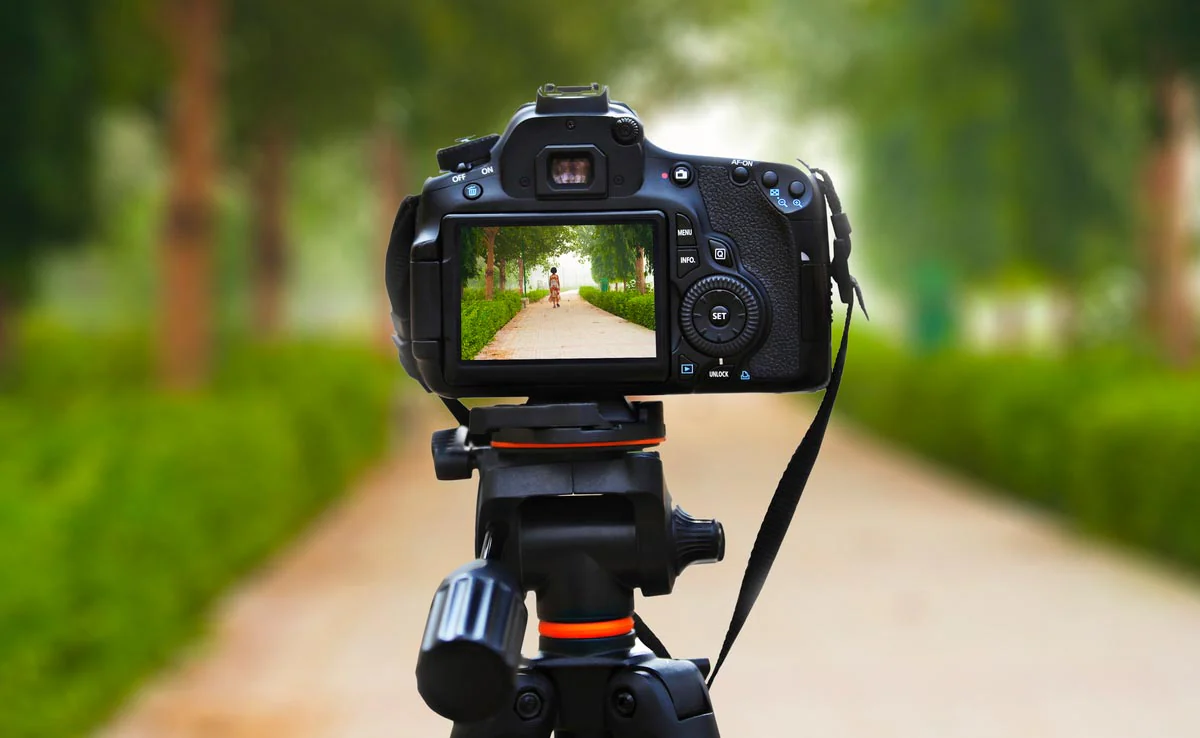
🎬 Best 4K Video Camera Guide: Capture Ultra HD Footage with Clarity In the world of digital videography, shooting in 4K resolution — also known as Ultra High Definition (UHD) — has become the gold standard. 4K delivers four times the detail of Full HD, providing richer detail, sharper images, and flexibility in editing (such as cropping without quality loss). From mirrorless hybrids to dedicated camcorders, this guide highlights the most powerful and versatile 4K video cameras you can buy in 2026. 📊 What to Look for in a 4K Video Camera Before diving into specific models, here are key features to consider when choosing the best 4K video camera: 🎥 Top 4K Video Cameras in 2026 🥇 1. Panasonic Lumix GH6 Often regarded as one of the most capable 4K video cameras for creators, the Panasonic Lumix GH6 offers robust video features with a strong focus on performance. It supports 4K shooting at up to 120 fps for slow-motion footage and delivers excellent color science and dynamic range. The GH6’s rugged build and professional I/O options make it a favorite among indie filmmakers and content creators alike. Best for: Video creators needing high-quality footage and slow-motion options 🥈 2. Sony α6700 From Sony’s popular APS-C lineup, the Sony α6700 is praised for its advanced video capabilities. It offers internal 10-bit recording, Log profiles, and high frame rates up to 120 fps (with some crop) — ideal for cinematic slow-motion and dynamic content creation. Its reliable autofocus and weather-sealed body make it versatile enough for run-and-gun shooting or travel videography. Best for: Hybrid shooters who want pro video features in a compact body 🥉 3. Sony ZV-E10 II Targeted toward vloggers and video content creators on a budget, the Sony ZV-E10 II delivers excellent 4K quality at up to 60 fps, Log profile support, and user-friendly features like a flip-screen and strong autofocus. Though it lacks in-body stabilization, its value and performance for the price make it a top choice for beginners and YouTubers. Best for: Beginners & vloggers looking for affordable 4K video 🎬 4. Sony FDR-AX43 Handycam Not all great 4K cameras are mirrorless — dedicated camcorders still shine for certain needs. The Sony FDR-AX43 gives you smooth handheld footage thanks to its Balanced Optical SteadyShot stabilization, built-in Zeiss lens, and long zoom range — ideal for event videography, documentaries, or travel films that require versatility. Best for: Run-and-gun videography & handheld shooting without a gimbal 📹 5. Panasonic Lumix S5 II If you want a full-frame camera with rich video features, the Panasonic Lumix S5 II delivers — with 4:2:2 10-bit recording, a robust autofocus system with Phase Hybrid AF, and excellent low-light performance. This camera is suited for filmmakers and professionals who want cinema-style footage from a hybrid camera body. Best for: Hybrid creators & semi-pro filmmakers 📸 Notable Mentions Even though they didn’t make the main list, several other great 4K cameras are worth considering based on your needs: 📌 Choosing What’s Right for You Your ideal 4K video camera depends on how you plan to shoot: ✔ Content creators & vloggers: A lightweight mirrorless like the Sony ZV-E10 II or ZV-1 is perfect for self-recording and quick edits. ✔ Filmmakers & cinematographers: Full-frame options like the Panasonic S5 II or high-end models give cinematic footage with advanced codec and color options. ✔ Documentary & event shooters: Dedicated camcorders with strong stabilization and long zoom ranges (like the Sony FDR-AX43) provide reliability and ease of use without add-ons. ✔ Budget-conscious shooters: APS-C cameras like the Sony α6700 deliver excellent value and performance without breaking the bank. 📷 Tips for Getting the Most from Your 4K Camera