Planning your big day involves dozens of important decisions, and knowing when to send wedding invitations is one of the most crucial. Sending invitations at the right time gives guests enough notice to arrange travel, request time off, and respond before your wedding RSVP deadline. It also keeps your wedding invitation timeline organized and prevents last-minute stress.
Whether you’re hosting a local ceremony or planning destination wedding invitations, the right schedule makes a noticeable difference. In this guide, you’ll learn the ideal mailing timeline, expert etiquette tips, and practical advice to ensure every invitation reaches your loved ones on time and your wedding planning stays smooth from start to finish.
When Should You Send Wedding Invitations?
For most weddings in the United States, you should send wedding invitations six to eight weeks before the wedding. This gives guests enough time to make travel plans, request time off work, and return their RSVP. Following this schedule also supports proper wedding invitation etiquette and keeps your planning on track.
If your wedding falls during a holiday or includes many travelers, you may need to send invitations earlier. Many couples ask how far in advance should wedding invitations be sent because every wedding is unique. Your venue, guest travel, and season all influence the best mailing date.
What Is the Ideal Time to Send Wedding Invitations?
The ideal schedule depends on your wedding style. Local weddings usually follow the standard six-to-eight-week timeline. Destination and international weddings require additional notice because guests need more time to arrange transportation and accommodations.
Wedding Type |
Best Time to Send Invitations |
| Local Wedding | 6–8 weeks before |
| Out-of-Town Guests | 8–10 weeks before |
| Destination Wedding | 10–12 weeks before |
| International Wedding | 12+ weeks before |
| Without Save-the-Dates | 10–12 weeks before |
Complete Wedding Invitation Timeline (From Engagement to Wedding Day)
A clear wedding invitation timeline keeps every planning step organized. Starting early allows you to choose your invitation design, collect guest addresses, and review your wedding invitation wording without rushing. Working backward from your wedding date helps you complete each task at the right time.
The table below provides a simple timeline that many wedding planners recommend. It works well for most U.S. weddings and can easily be adjusted for destination or holiday celebrations.
Timeline |
What to Do |
| 8–12 Months Before | Finalize venue, budget, and wedding guest list |
| 6–8 Months Before | Order invitation samples and collect addresses |
| 4–6 Months Before | Send save the date cards and launch your wedding website |
| 6–8 Weeks Before | Mail wedding invitations |
| 4 Weeks Before | Set your wedding RSVP deadline |
| 1–2 Weeks Before | Confirm guest count with vendors |
Why Following a Timeline Makes Planning Easier
A timeline keeps every task in order. Instead of rushing during the final month, you finish important jobs gradually. This approach reduces mistakes and gives vendors enough time to prepare for your celebration.
When to Send Save-the-Dates
Many couples wonder when to send save-the-date cards. The best time is four to six months before your wedding. These cards give guests an early reminder and are especially helpful when many people need to travel or book accommodations.
Although save the date cards are optional, they can increase attendance by giving guests plenty of notice. If you decide not to send them, you’ll need to send your formal invitations earlier so everyone has enough time to prepare.
Who Should Receive Save-the-Dates?
Only guests who will definitely receive a wedding invitation should receive a save-the-date. Review your wedding guest list carefully before mailing them because receiving one creates the expectation of a formal invitation later.
Destination Wedding Save-the-Date Timing
Couples often search when to send wedding invitations for a destination wedding, but the planning actually starts with save-the-dates. For destination weddings, send them eight to twelve months before the ceremony. Early notice helps guests find better flight prices and reserve hotels before availability becomes limited.
Wedding Invitation Timing for Different Types of Weddings
Every wedding is different, so your invitation schedule should match your plans. Guest travel, wedding size, and the season all affect when invitations should be mailed. Adjusting your timeline ensures guests have enough notice without receiving invitations too early.
Planning ahead also improves attendance. Guests appreciate having enough time to arrange transportation, childcare, or vacation leave. A flexible schedule makes your invitation process much smoother from beginning to end.
Local and Out-of-Town Weddings
Local weddings usually follow the standard six-to-eight-week schedule. If many guests live in another state, mailing invitations eight to ten weeks before the ceremony provides additional planning time and supports good wedding invitation etiquette.
Destination and International Weddings
If you’re inviting international wedding guests, send invitations at least twelve weeks before your wedding. This allows time for passport renewals, visa applications, and travel bookings. Early communication also helps guests save money on flights and accommodations.
Weddings Without Save-the-Dates
Many couples ask when to send wedding invitations without save-the-dates. If you skip them, mail your invitations about ten to twelve weeks before the wedding. The additional notice replaces the reminder that save-the-dates normally provide.
How Far in Advance Should Guests RSVP?
A realistic RSVP deadline helps you finalize seating arrangements, catering numbers, and vendor plans. Many couples ask how long before the wedding should guests RSVP because every vendor depends on an accurate guest count before the big day.
For most weddings, set your wedding RSVP deadline about four weeks before the ceremony. This gives you enough time to contact guests who have not replied and confirm final numbers with your venue and caterer.
Choosing the Right RSVP Deadline
Your RSVP date should always come before your venue’s final guest count deadline. Leaving two to three weeks between these dates provides extra time to follow up with late responses and make any last-minute adjustments before your wedding.
Why Your Wedding Invitation Timeline Matters
Following the right wedding invitation timeline keeps your wedding organized from start to finish. Guests receive enough notice to plan ahead while you have plenty of time to collect responses and finalize details. A well-planned schedule also reduces last-minute stress and supports good wedding invitation etiquette.
Sending invitations too early can cause guests to forget important dates. Sending them too late may prevent loved ones from attending. If you’re wondering when is it too late to send wedding invitations, anything less than five weeks before the wedding can create scheduling problems for many guests.
Sending Invitations Too Early vs. Too Late
Finding the right balance is important. The table below shows how timing affects your wedding planning.
Timing |
Result |
| Too Early (12+ weeks) | Guests may forget or delay RSVPs. |
| Recommended (6–8 weeks) | Best balance for planning and attendance. |
| Too Late (Less than 5 weeks) | Guests may already have other commitments. |
How to Mail Wedding Invitations Correctly
Knowing how to mail wedding invitations correctly helps your invitations arrive safely and on time. Before mailing, check every address, weigh a completed invitation suite, and purchase the correct postage. These simple steps prevent delays and avoid returned envelopes.
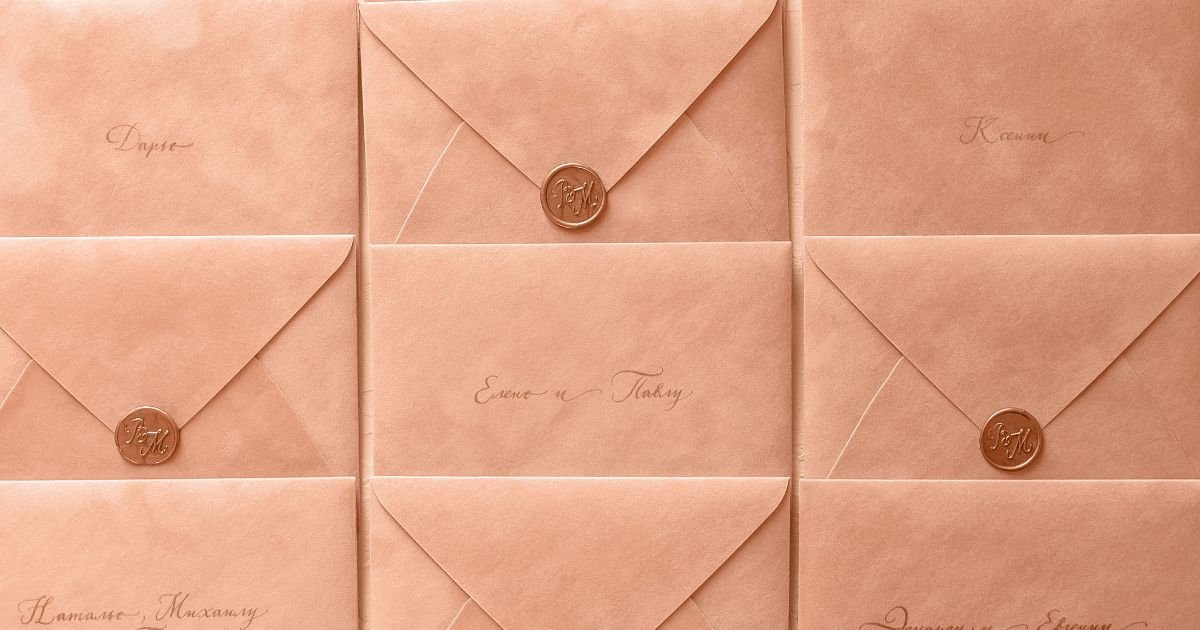
Decorative invitations with ribbon, wax seals, or multiple inserts often require extra postage. Visiting your local post office before mailing is the safest option. It protects your investment and ensures every guest receives a beautiful invitation.
Postage, Weight & Hand-Canceling
Ask the post office to weigh one fully assembled invitation before buying stamps. If your invitations include delicate embellishments, request hand-canceling. This process reduces the chance of damage during automatic mail sorting and keeps your invitation looking perfect.
Common Wedding Invitation Mistakes to Avoid
Small mistakes can create unnecessary stress during wedding planning. Incorrect addresses, missing RSVP details, or poor timing often lead to confusion. Reviewing every invitation before printing helps protect your budget and ensures your wedding invitation wording is accurate.
Many couples also forget to order extra invitations. Keeping a few additional copies is always helpful for last-minute guests, printing errors, and personal keepsakes. Careful planning keeps your wedding planning checklist on schedule.
Top Mistakes Couples Make
The most common mistakes include sending invitations too late, forgetting the wedding RSVP deadline, ordering too few invitations, and using incorrect addresses. Double-checking every detail before you mail wedding invitations helps avoid these problems and keeps your planning stress-free.
Final Wedding Invitation Checklist Before Mailing
Before sending your invitations, take one final look at every detail. Confirm names, dates, addresses, and RSVP information. Make sure every envelope contains the correct invitation pieces and enough postage. A careful review prevents costly mistakes and gives you peace of mind.
The checklist below helps ensure nothing is forgotten before your invitations go into the mail.
| Final Checklist | ✓ |
| Proofread all invitation details | ☐ |
| Confirm guest addresses | ☐ |
| Include RSVP card or QR code | ☐ |
| Check invitation weight | ☐ |
| Purchase correct postage | ☐ |
| Mail invitations on schedule | ☐ |
| Keep a few extra invitation suites | ☐ |
Conclusion
Knowing when to send wedding invitations helps every part of your wedding come together smoothly. By following the right timeline, using save the date cards when needed, and mailing invitations at the proper time, you give guests every opportunity to celebrate with you.
Use this guide as your trusted roadmap throughout the planning process. Whether you’re hosting a local ceremony or welcoming international wedding guests, a thoughtful invitation schedule will reduce stress, improve guest attendance, and help you enjoy every moment leading up to your wedding day.
FAQs
How far in advance should I send wedding invitations?
For most weddings, send invitations 6–8 weeks before the wedding. For destination weddings or many traveling guests, send them 10–12 weeks in advance.
What is the 50 30 20 rule for weddings?
The 50/30/20 rule is a budgeting guideline where 50% goes to venue and catering, 30% to photography, attire, and décor, and 20% to invitations, favors, entertainment, and other miscellaneous expenses.
Is 10 months too early to send wedding invites?
Yes, for formal invitations, 10 months is generally too early. Instead, send save-the-date cards around that time and mail the official invitations closer to the wedding.
How early is too early to send a wedding invitation?
Sending formal wedding invitations more than 12 weeks before the wedding is usually considered too early because guests may forget important details or delay their RSVP.
What is the average cost of 100 wedding invitations?
The average cost for 100 wedding invitations ranges from $200 to $800, depending on the paper quality, printing method, design, and customization options.